The holiday shopping rush is officially here, and with it comes a dangerous new threat to your bank account.
The Federal Trade Commission (FTC) has issued an urgent warning about a highly sophisticated scam making the rounds. Fraudsters are now using artificial intelligence to clone voices, pretending to represent the retail giant Amazon. Their goal is simple: lure you in with the promise of a free holiday gift card, then drain your savings.
How the Voice-Cloning Trap Works
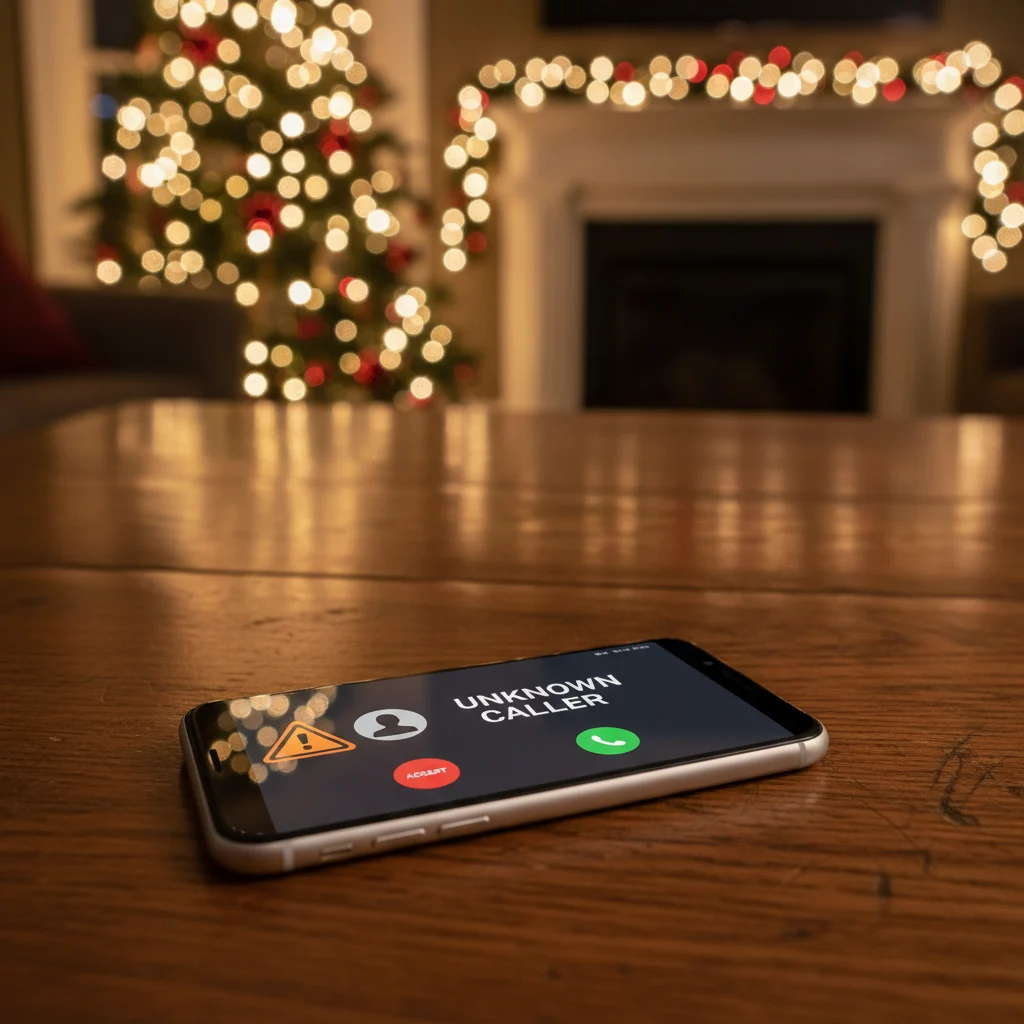
It starts with an ordinary phone call. On the other end of the line, a friendly voice introduces themselves as an Amazon representative. They sound completely real. There is no robotic monotone or awkward lag. They tell you that as a holiday thank-you, you have been selected to receive a free $500 Amazon gift card.
But there is a catch. To claim the reward, the caller says you need to “verify” your identity by providing your banking credentials or routing numbers.
According to the FTC, this is where the trap snaps shut. Once the scammers have your financial details, they do not send a gift card. Instead, they empty your accounts.
The Terrifying Realism of Modern AI
What makes this scam so effective is the technology behind it. In the past, phone scams were relatively easy to spot. They featured poorly written scripts, heavy accents, or obviously automated robocalls. Today, generative AI has changed the rules.
With just a three-second audio clip, readily available from social media videos or public recordings, scammers can create a near-perfect clone of almost anyone’s voice. They can mimic the tone of a professional customer service agent, a government official, or even a close family member. The resulting clone can say anything, complete with realistic breathing and emotional inflections.

The FTC emphasized that artificial intelligence allows bad actors to scale their operations and make their pitches far more convincing than ever before.
Why Holiday Timing Is No Accident
The weeks between Thanksgiving and New Year’s Eve represent the busiest shopping period of the year. Consumers are flooded with genuine promotional emails, texts, and advertisements. Scammers exploit this noise. They know that during the hectic holiday rush, people are more distracted and more likely to make quick decisions without verifying the source.
Furthermore, the promise of free money or gift cards is a powerful psychological trigger. When someone thinks they are getting a great deal, their natural skepticism often drops.
How to Protect Yourself
The FTC is urging the public to stay vigilant and look out for key red flags. First, remember that legitimate companies will never call you out of the blue to ask for your bank account details, Social Security number, or passwords to claim a prize. If an offer sounds too good to be true, it almost certainly is.
Second, do not trust your caller ID. Scammers frequently use spoofing technology to make it look like they are calling from an official corporate number or even a local area code.
If you receive a call like this, the best course of action is simple: hang up immediately. Do not press any buttons or speak to the caller.
If you want to check if the offer is real, look up the company’s official customer service number on their actual website. Call them back directly to inquire. Never use the phone number provided by the suspicious caller or left in a voicemail.
For those who may have already fallen victim to this scam, time is of the essence. The FTC advises contacting your bank or credit card company immediately to freeze your accounts and report the fraudulent activity. You should also report the scam to the FTC online at ReportFraud.ftc.gov. Staying informed and keeping a healthy dose of skepticism is your best defense against losing your hard-earned money this holiday season.
About the Author




