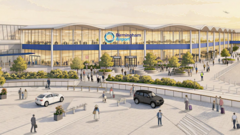
A Bold Vision for Growth
Birmingham Airport has mapped out a massive £2bn upgrade. The goal is to more than double passenger numbers over the next 15 years. If everything goes ahead, the airport could see up to 30 million travelers passing through every year. That is a massive jump from the record 13 million people who used the airport in 2025.
Airport bosses say the masterplan will not require building a new runway. Instead, they plan to maximize the existing runway capacity while giving the airport’s terminals and facilities a major face-lift. The project is expected to create over 50,000 jobs across the region, including 3,800 roles directly on-site.
First Phase Targeted for 2027
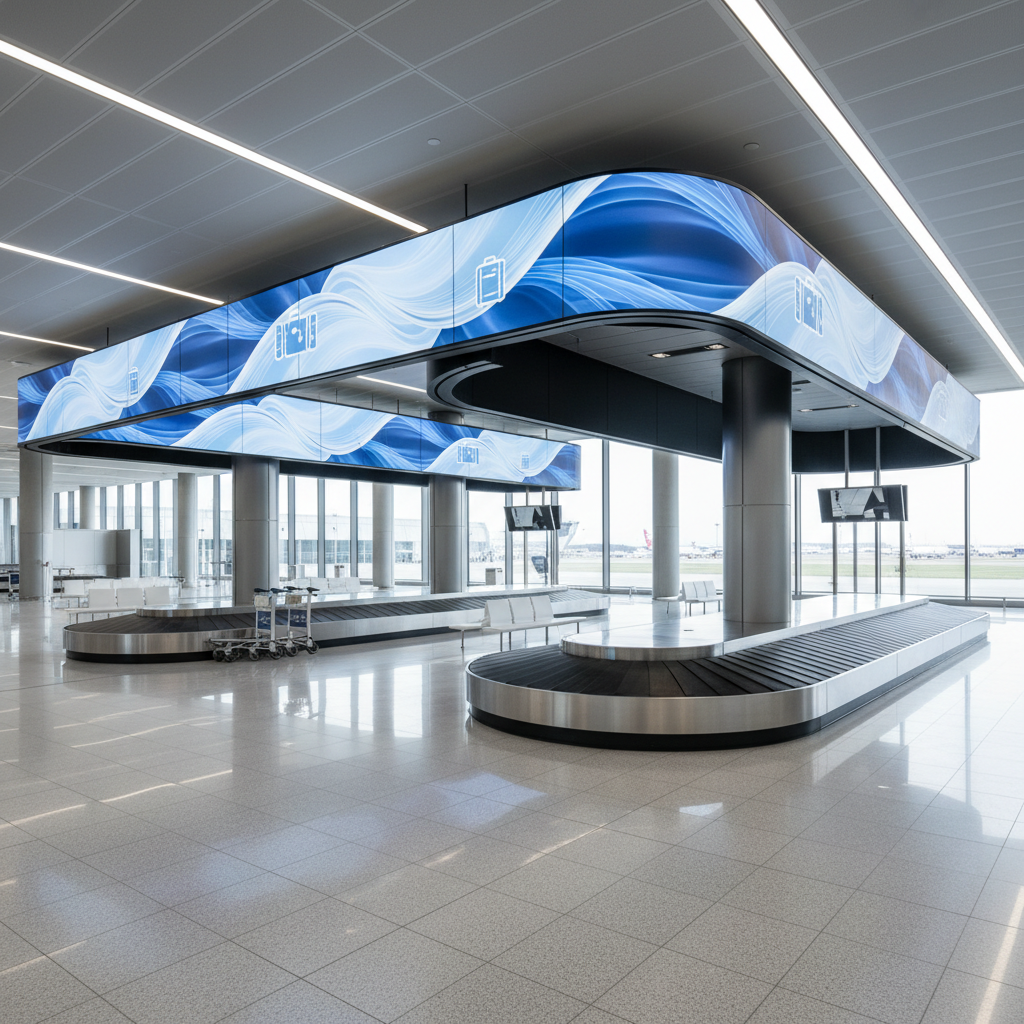
The first phase of work could begin in 2027. This stage will focus heavily on upgrading baggage systems and terminal buildings. It will also add more aircraft stands and improve road and transport links to the site. Smooth operations are clearly top of mind. Just last August, a major baggage system failure left hundreds of passengers without their luggage, highlighting the urgent need for updated infrastructure.
The public now has eight weeks to share their thoughts on the draft plan. A series of 20 public events will kick off in Hampton on Arden on October 16, giving locals a chance to look at the proposals. People can also submit their feedback online or by mail.
Politicians Back the Move, but the CEO Warns of Obstacles
West Midlands Mayor Richard Parker welcomed the proposal. He called it an ambitious masterplan that would boost global connections and support local supply chains. He urged residents to get involved in the consultation to help shape how the growth impacts nearby communities.
Transport Secretary Heidi Alexander also offered government backing, calling the announcement a massive boost for the regional economy. She emphasized that the project will create well-paid local jobs and help get people into work.
However, the airport’s chief executive, Nick Barton, struck a more cautious note. While he described the £2bn plan as an unprecedented vote of confidence in the region, he warned that rising energy bills, higher wages, and taxes are squeezing the airport’s finances.
“Unless tax and regulatory environments are made more favourable and stable for major infrastructure investment, they may not materialise,” Barton cautioned. For this massive plan to leap off the page and into reality, airport bosses say they need the government to guarantee a stable tax environment.