
Mobile gamers are facing a sneaky new threat on social media. Cybersecurity researchers have issued an urgent warning for players of the popular mobile game Bingo Blitz, who are being targeted by a sophisticated malware campaign spreading across TikTok.
The scam promises to deliver “100,000 free credits” to players. In a game where virtual currency dictates how long and how often you can play, an offer like this is hard to ignore. But experts warn that clicking these links won’t load your account with credits. Instead, it will likely compromise your smartphone.
How the TikTok Bingo Blitz Scam Works
The scam relies heavily on short, flashy videos. Fraudsters set up fake TikTok accounts and post clips showing gameplay footage where a player’s credit balance miraculously jumps into the hundreds of thousands. The captions and voiceovers urge viewers to act fast, directing them to a link in the account profile bio or the comment section to claim their reward.
Once a user clicks the link, the trouble begins. They are redirected away from TikTok to a series of lookalike websites designed to mimic official game portals. Players are prompted to enter their Bingo Blitz usernames and select their device platform, either Android or iOS. This creates a false sense of legitimacy.
To finalize the transfer of the non-existent credits, the site demands a “human verification” step. This is where the trap snaps shut. Users are instructed to download other apps or install specific configuration profiles. On Android devices, this often involves sideloading a malicious Android Package (APK) file directly from the browser, bypassing the safety checks of the Google Play Store.
The Hidden Danger of the Payload
Security analysts who dissected the campaign found that the downloadable files are loaded with aggressive adware and info-stealing malware. Once installed, these rogue applications operate silently in the background.
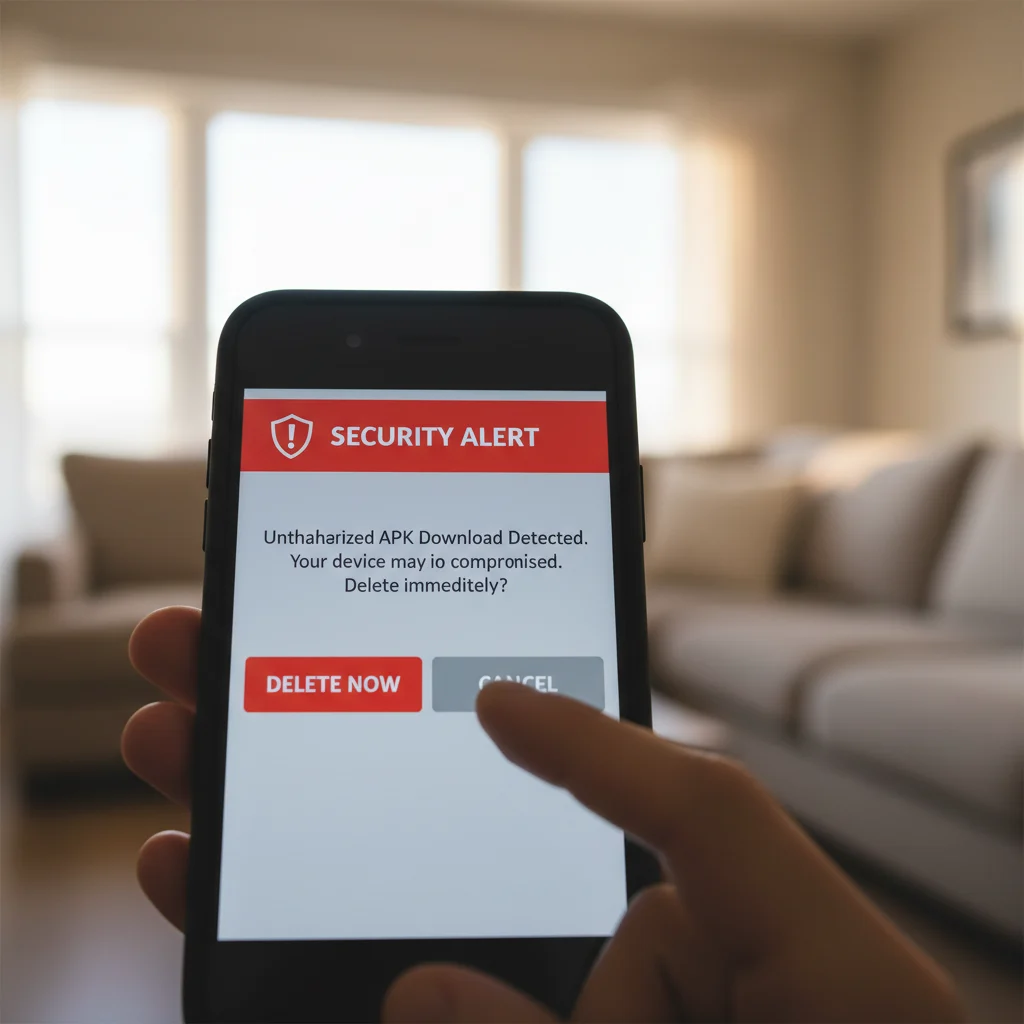
The consequences for victims are severe. The malware can track keystrokes, intercept SMS verification codes, and steal personal data, including login credentials for banking and social media accounts. In some cases, the infected devices are drafted into botnets or used to click on invisible ads in the background, lining the pockets of the scammers while draining the victim’s phone battery and data plan.
For iOS users, the threat often manifests as phishing attempts or sneaky subscription traps. Users might be tricked into signing up for expensive weekly services without their knowledge, hidden behind confusing pop-ups and fine print.
Why Mobile Gamers Are Prime Targets
This is not a random attack. Bingo Blitz, developed by Playtika, boasts millions of active daily users globally. Many of these players are casual gamers who may not be highly tech-savvy or aware of modern mobile security threats. Because credits are expensive to purchase through the official app store, the promise of a massive free bundle is highly effective bait.
Social media algorithms make the situation worse. Once a user engages with one gaming video, TikTok’s recommendation engine often serves them more of the same content. This can trap players in an echo chamber of fraudulent offers, making the scams appear ubiquitous and, therefore, seemingly legitimate.
Protecting Your Device and Data
Security professionals urge players to remember a golden rule of the internet: if an offer seems too good to be true, it almost certainly is. Playtika does not distribute free credits through third-party websites, generator tools, or TikTok bio links.
To keep your smartphone secure, experts recommend taking several immediate steps:
- Never download files or apps from links found in social media bios or comments.
- Only download games and updates from official platforms like the Google Play Store and the Apple App Store.
- Disable the installation of apps from “unknown sources” in your Android security settings.
- Keep your mobile operating system and security software updated to the latest versions.
- Use two-factor authentication (2FA) on all valuable accounts to prevent unauthorized access even if your password is stolen.
If you have already fallen victim to this scam, delete any recently downloaded apps immediately, run a reputable mobile security scan, and change your account passwords from a different, secure device.
About the Author




