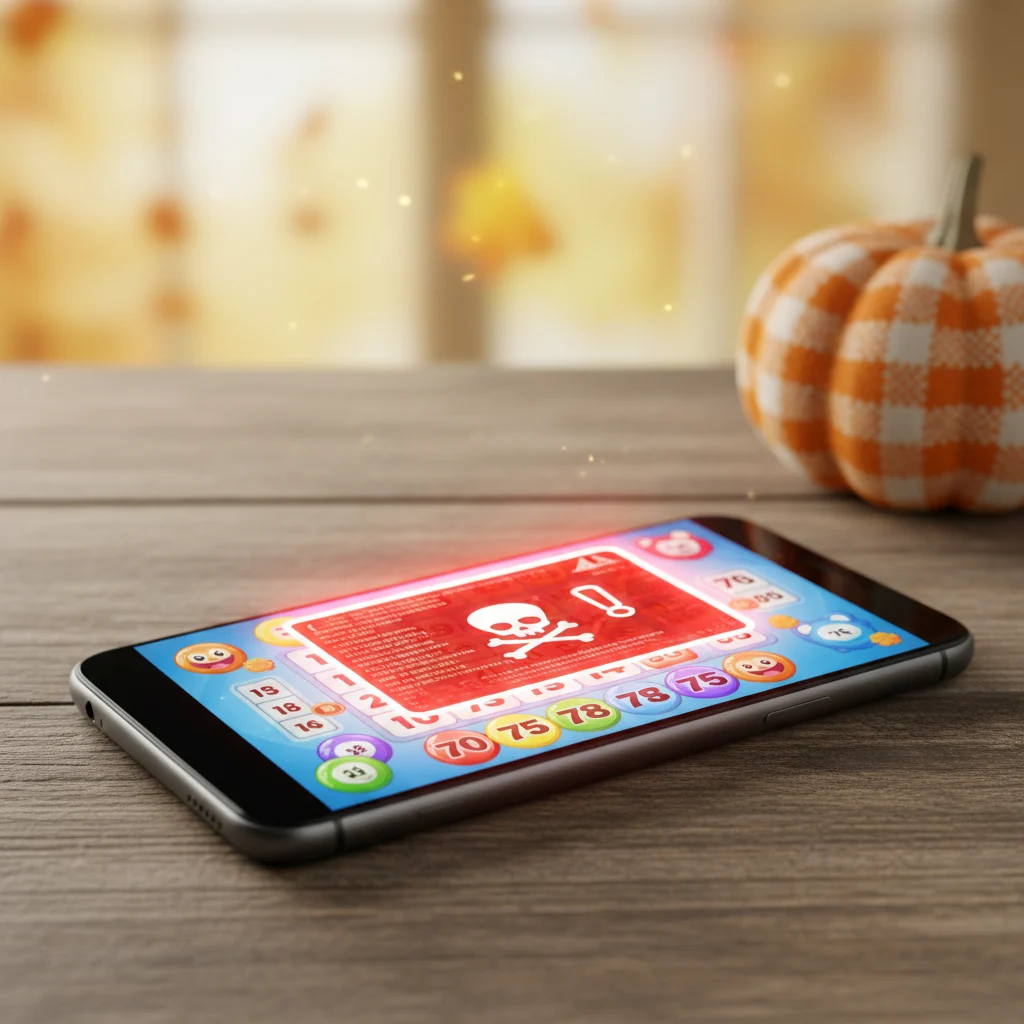
Casual gamers are facing a spooky threat this autumn. Cybersecurity researchers have uncovered a highly active phishing campaign targeting Bingo Blitz players just weeks before Halloween 2026. Scammers are capitalizing on the game’s seasonal excitement, promising massive bundles of free credits to lure unsuspecting victims into giving up their accounts. It is a highly coordinated effort, and it is spreading fast.
The Trap is Set
Security firm PixelSafe Security first flagged the anomalous activity on October 12, 2026. According to their threat intelligence report, the campaign primarily spreads through sponsored posts on Facebook and TikTok, alongside direct messages in community forums. The bait is incredibly hard to resist for dedicated players. Ads feature official-looking graphics of the game’s mascot dressed in Halloween costumes, boasting “limited-time spooky rewards.”
Clicking the link does not give you credits. Instead, it redirects users to a series of highly convincing lookalike websites designed to harvest personal information.
“The attackers are brilliant social engineers,” says Marcus Vance, lead threat analyst at PixelSafe. “They know Bingo Blitz has an incredibly loyal, often older demographic. Many of these players are not looking for subtle red flags in a web address. They just want to play the game they love without spending real money.”
Inside the Scam Infrastructure
How does the scam actually work? The fake websites use domains registered within the last thirty days, often incorporating terms like “halloween-credits-promo” or “blitz-free-coins.” Once a player lands on the site, they are prompted to link their Facebook or Google account to “claim” the 15,000 free credits.
This is where the trap snaps shut.
The login boxes are sophisticated clones of real sign-in portals. If you type in your password, the attackers capture it immediately. In some variations, the site claims the user needs to verify their age or location by entering a credit card number. The scammers promise that “no charges will be made,” but within hours, victims report unauthorized microtransactions and locked-out social media accounts.
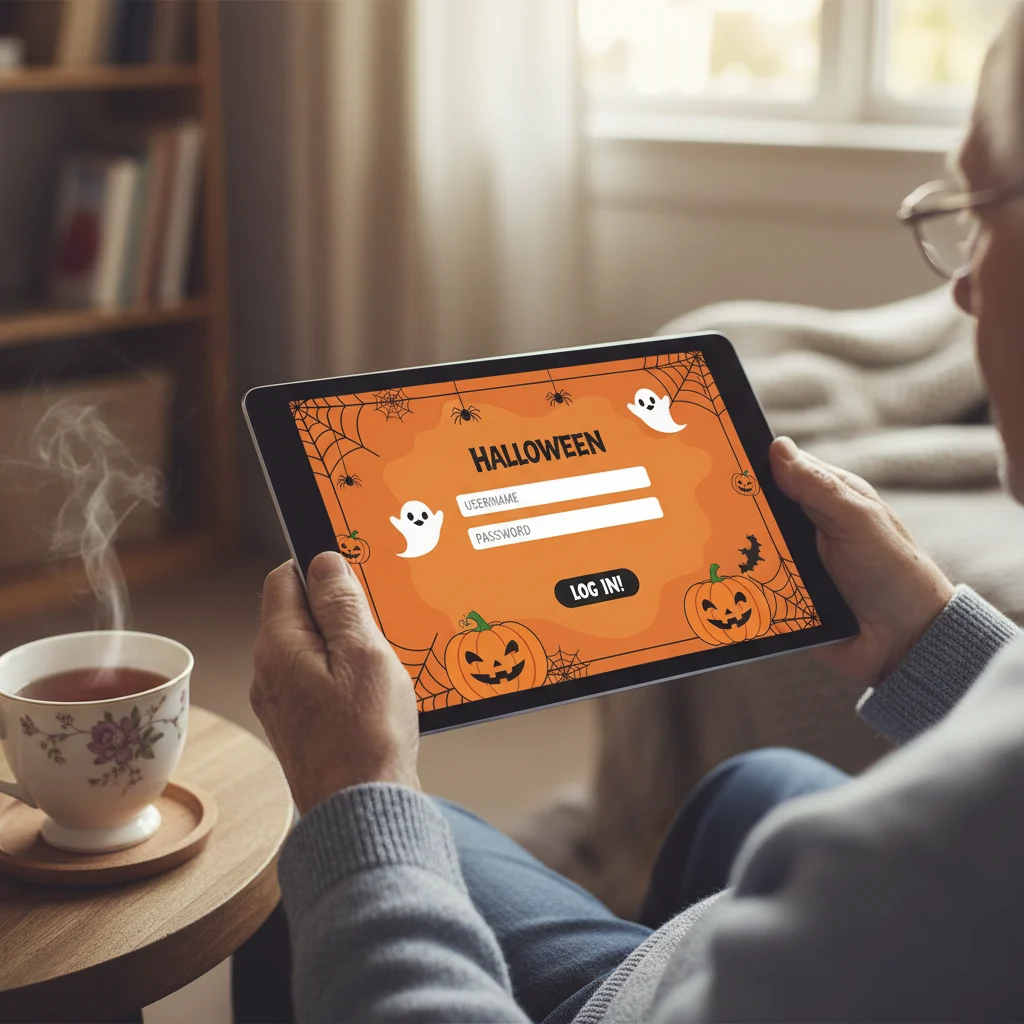
By hijacking these accounts, the threat actors gain more than just game access. They get full control over the victim’s Facebook profile. They then use these compromised accounts to spam the phishing link to the victim’s friends list, compounding the threat and making the scam look like a legitimate recommendation from a trusted friend.
Casual Gaming is a Major Cyber Target
This isn’t an isolated incident. Mobile gaming scams are skyrocketing. Bingo Blitz, developed by Playtika, boasts millions of active daily users worldwide. Because the game relies heavily on microtransactions, virtual currency is a hot commodity.
Hackers have realized that targeting casual, older gamers is often much easier than targeting enterprise networks. The security barriers are lower, and the emotional hook is stronger. A casual player is far less likely to have two-factor authentication enabled on their accounts, making them an easy target for credential stuffing and account takeovers.
Protecting Your Account
How can players stay safe? First, remember that official promotions will always happen inside the actual app or on the verified, blue-check social media pages.
“If an offer requires you to log in on an external website, close the tab immediately,” Vance warns.
If you think you fell for the scam, act fast. Take these steps to secure your digital life:
- Change your Facebook, Google, and Playtika passwords immediately.
- Enable two-factor authentication (2FA) on all linked accounts.
- Revoke any unrecognized third-party app permissions in your account settings.
- Monitor your bank statements for suspicious charges and alert your card issuer if you entered financial details.
About the Author




