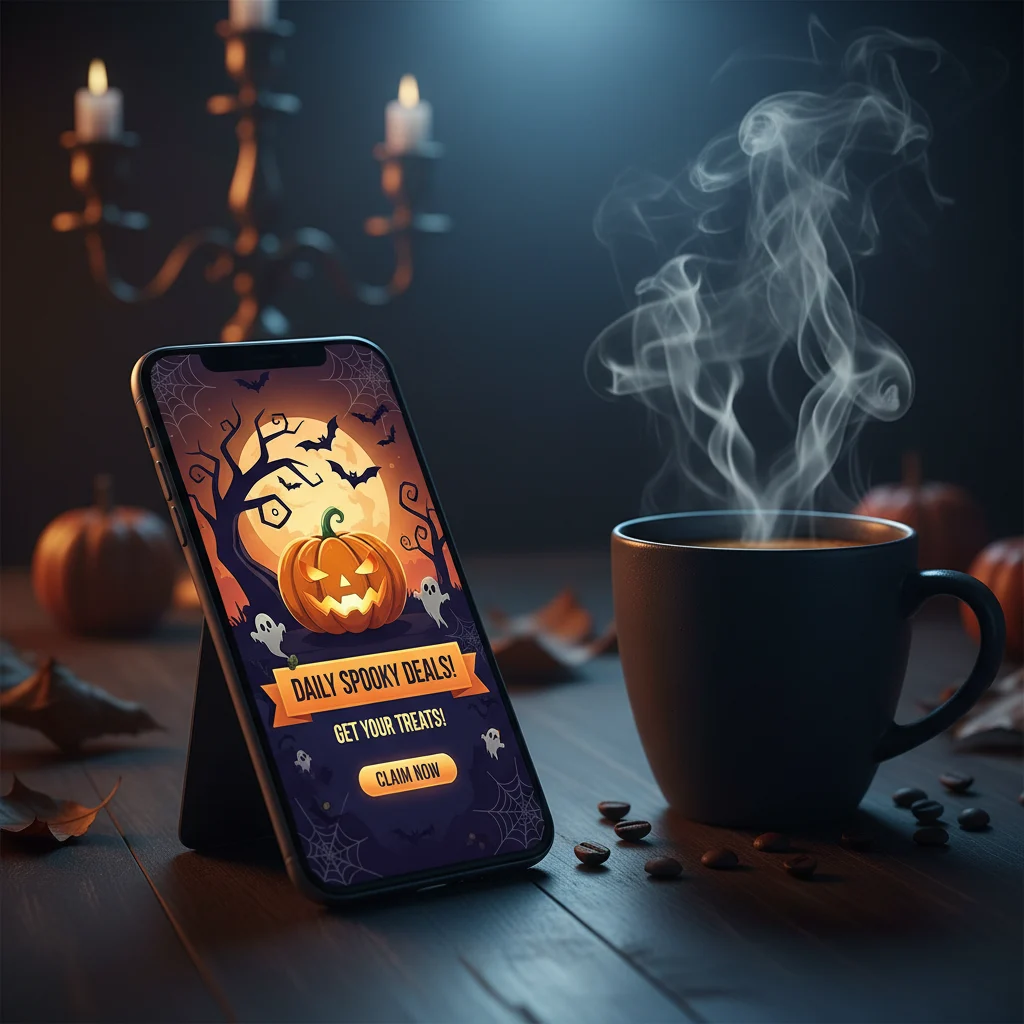
The Spooky Season Trap
As Halloween approaches, cybersecurity experts are warning mobile gamers about a nasty new trick disguised as a treat. A highly sophisticated phishing campaign is currently targeting players of the hit mobile game Bingo Blitz. The bait? Promises of free in-game credits to celebrate the holiday season.
First spotted earlier this month by researchers at security firm Sentry Cyber, the scam has quickly spread across social media platforms, particularly Facebook, where the game boasts a massive, dedicated community. Attackers are exploiting players’ eagerness for freebies, using the upcoming Halloween festivities as the perfect cover.
How the ‘Halloween Treat’ Scam Works
The campaign is surprisingly polished. Cybercriminals are setting up fake fan pages and buying sponsored ads that look almost identical to official Bingo Blitz announcements. These ads feature high-quality graphics of the game’s beloved mascot, Blitzy, wearing a witch hat and holding a pumpkin overflowing with game credits.
“They didn’t just throw this together in five minutes,” says Marcus Vance, lead threat analyst at Sentry Cyber. “They copied the exact color palettes, fonts, and tone of voice that the official game developers use. To a casual player, it looks 100% legitimate.”
When players click on these ads, they are taken to a website that promises to instantly credit their accounts with thousands of free coins and power-ups. However, there is a catch. To claim the reward, users must first “verify” their identity by logging in with their Facebook credentials. This is where the trap snaps shut.
Stealing More Than Just Game Progress
The login page is a clever fake. When players enter their usernames and passwords, nothing happens on the screen except perhaps an error message claiming the server is busy. Behind the scenes, however, the attackers instantly harvest these credentials.

Because Bingo Blitz allows users to link their progress to Facebook, losing access to Facebook means losing much more than just a game account. Hackers can quickly hijack the victim’s social media profile, lock them out, and use their account to spread the scam to their entire friends list. Even worse, many players keep credit cards linked to their app stores or Facebook accounts for in-game purchases. Once inside, scammers can go on unauthorized spending sprees.
“We’ve already seen reports of players losing hundreds of dollars within hours of being phished,” Vance warns. “And because the scammers lock the victims out of their social media accounts, it makes it incredibly difficult for these players to warn their friends or contact support.”
A Tech-Savvy Trick
What makes this campaign particularly dangerous is how it evades standard security filters. The scammers are utilizing cloaked URLs that look like harmless lifestyle blogs or community forums to automated security bots. When a human user clicks the link, they are redirected to the phishing page, but security scanners see only a harmless webpage.
Furthermore, the attackers are hosting these fake portals on reputable cloud infrastructure. This makes it harder for web browsers to flag the sites as malicious, as they often carry valid security certificates.
How to Stay Safe This Halloween
Security experts urge Bingo Blitz players to exercise extreme caution over the next few weeks. To avoid falling victim to this spooky scam, keep these crucial tips in mind:
- Verify the source: Official giveaways are only announced on the verified Bingo Blitz Facebook page (look for the blue checkmark) or directly inside the game app.
- Never re-enter your login details: If you are already logged into Facebook on your phone, a legitimate game link should never ask you to type your password again.
- Enable two-factor authentication (2FA): Turning on 2FA for your Facebook and Google accounts ensures that even if hackers get your password, they cannot log in without a secondary code sent to your phone.
- Watch for urgent language: Phishing scams rely on creating artificial panic or excitement. Claims like “Only 500 spots left!” are a massive red flag.
Play it safe this holiday. If a deal sounds too good to be true, it almost certainly is. Keep your guard up, protect your passwords, and enjoy your bingo games without the horror show of a compromised account.
About the Author




