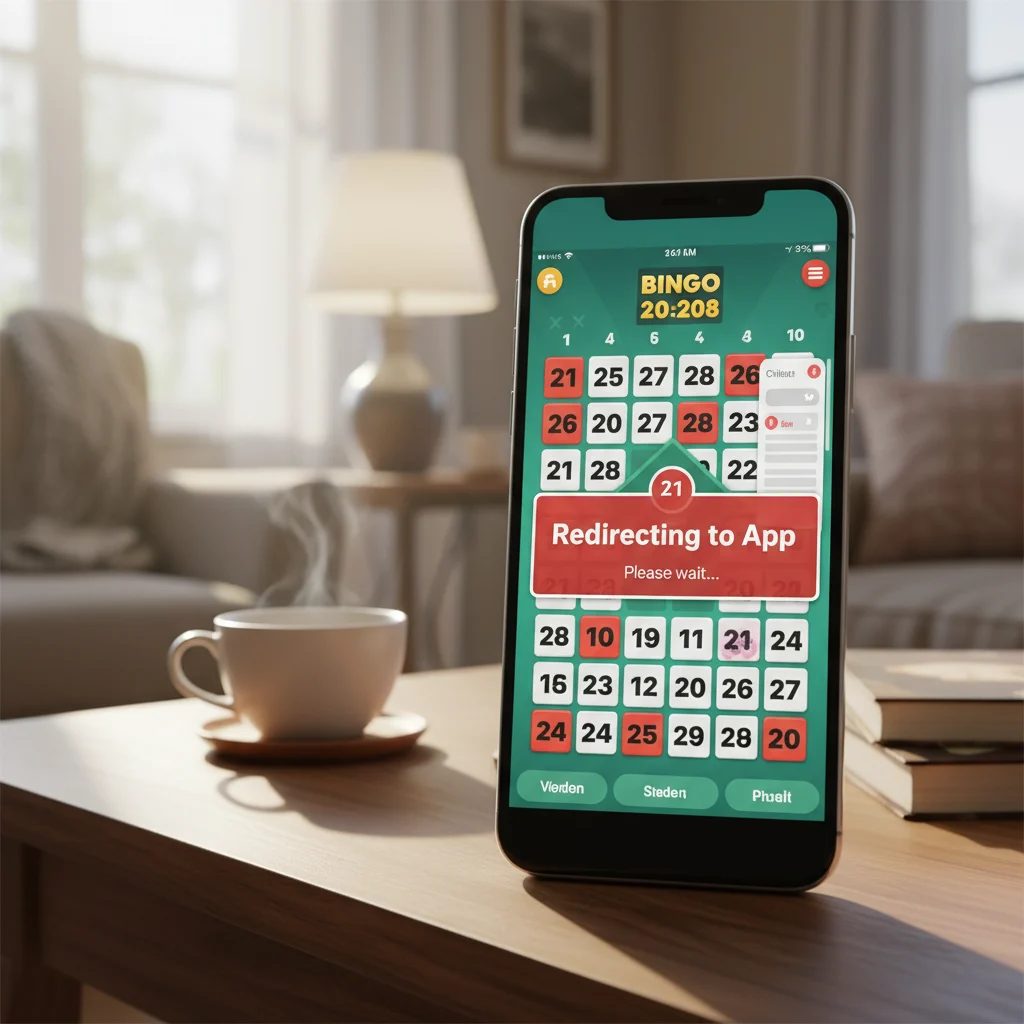
Bingo Blitz players are facing a sudden shift in how they collect their daily freebies. For years, the routine was simple. You scrolled through Facebook, found a daily credit link, clicked it, and watched the app open with your rewards. But a sweeping wave of new app store regulations, set to take full effect in late 2026, is quietly dismantling this seamless process.
The change stems from global regulatory updates aimed at opening up mobile ecosystems. Ironically, while these rules aim to give developers more freedom, the security frameworks designed to support them are complicating the life of the average gamer.
The Death of the One-Click Redirect
For a long time, mobile operating systems allowed ‘deep linking’ with minimal friction. This tech let external websites trigger specific actions inside installed apps. It is the exact mechanism that makes Bingo Blitz credit links work.
However, under the latest 2026 compliance mandates issued by international watchdogs, both Apple and Google must enforce stricter verification for external app triggers. This is meant to protect users from malicious links that could hijack accounts or steal data. The side effect? The quick, one-click redirect is fast becoming a relic of the past.
Now, when a Bingo Blitz player clicks a link on a fan page or social media platform, they are met with a series of roadblocks. Instead of an instant transition to the game, users frequently encounter intermediary warning screens. In some regions, players are forced to manually approve the redirect every single time.
‘It feels like we are taking three steps backward just to get a few free spins,’ says Sarah Jenkins, a dedicated Bingo Blitz player from Ohio. ‘I used to claim my daily credits in thirty seconds. Now I have to click through browser warnings and wait for a security check. Half the time, the link doesn’t even open the app anymore.’
Why the Rules Are Changing
Tech analyst Marcus Vance from AppData Group explains that the late 2026 rules are a double-edged sword. ‘Regulators wanted to stop Apple and Google from locking developers into their own ecosystems,’ Vance says. ‘But to make third-party web stores and external payments safe, the platforms had to rebuild their security architectures from the ground up.’
Because of this overhaul, mobile operating systems now treat external web links with high suspicion. Unless a link is cryptographically signed and verified directly by the developer’s registered domain, the system blocks the automated handoff.
For a giant like Playtika, the publisher of Bingo Blitz, this means a massive technical migration. The company is having to re-engineer how it distributes daily incentives to its massive player base. Many of the old links shared on unofficial blogs are breaking entirely, leaving players confused and frustrated.
How Playtika is Adapting
Playtika has not stayed silent during the transition. The company has begun steering its community away from legacy link-sharing sites and toward more controlled environments.
Over the last few months, Bingo Blitz has introduced several workarounds:
- The Official Reward Hub: A secure, browser-based dashboard where players must log in with their game credentials to claim bonuses.
- In-Game Mailbox Incentives: Shifting daily distributions from external social media links directly to the app’s internal inbox.
- Verified QR Codes: Using encrypted QR codes displayed on official streams that bypass traditional URL filters.
While these solutions keep the free credits flowing, they require extra steps. The casual players who drove the game’s viral social media loops are finding the new system clunky.
What Lies Ahead for Mobile Gamers
This shift is not unique to Bingo Blitz. Almost every major mobile game relying on external social loops—from Monopoly Go to Coin Master—is battling the same regulatory headaches.
As the industry settles into these late 2026 standards, the wild-west era of clicking random web links for in-game loot is ending. Players will need to get used to logging into central web hubs or checking their in-app mailboxes. Security is winning the battle over convenience, and the humble daily credit link is the latest casualty of the new digital rules.
About the Author




