
If you have a stack of crumpled receipts sitting on your kitchen counter, Amazon wants to buy them. In fact, the e-commerce giant is ramping up invitations for its exclusive Shopper Panel app. For those lucky enough to get the nod, it represents one of the easiest ways to secure a monthly $10 Amazon gift card, plus extra cash for answering quick questions.
It sounds like a scam, but it is not. The program is real, and it is quietly becoming one of Amazon’s most valuable consumer research tools. While the app has existed for a few years in a highly restricted state, the retail giant is rolling out a massive wave of new invites. Users report a sudden influx of acceptance notifications after spending months—sometimes years—languishing on the digital waiting list.
How the Amazon Shopper Panel Works
The mechanics of the app are incredibly straightforward. Users simply upload 10 eligible paper or digital receipts per month from purchases made outside of Amazon. Once you hit the magic number ten, Amazon drops a $10 credit directly into your account balance. Alternatively, you can choose to direct that money toward a charitable donation.
There are a few ground rules, of course:
- You cannot upload receipts from Amazon itself or Amazon-owned brands like Whole Foods.
- Receipts must be from purchases made outside the Amazon ecosystem, such as at grocery stores, pharmacies, department stores, and local restaurants.
- Receipts must be from the current calendar month and cannot be older than two weeks.
As long as you meet those simple criteria, the ten bucks is yours. But the rewards do not stop at the flat monthly fee.
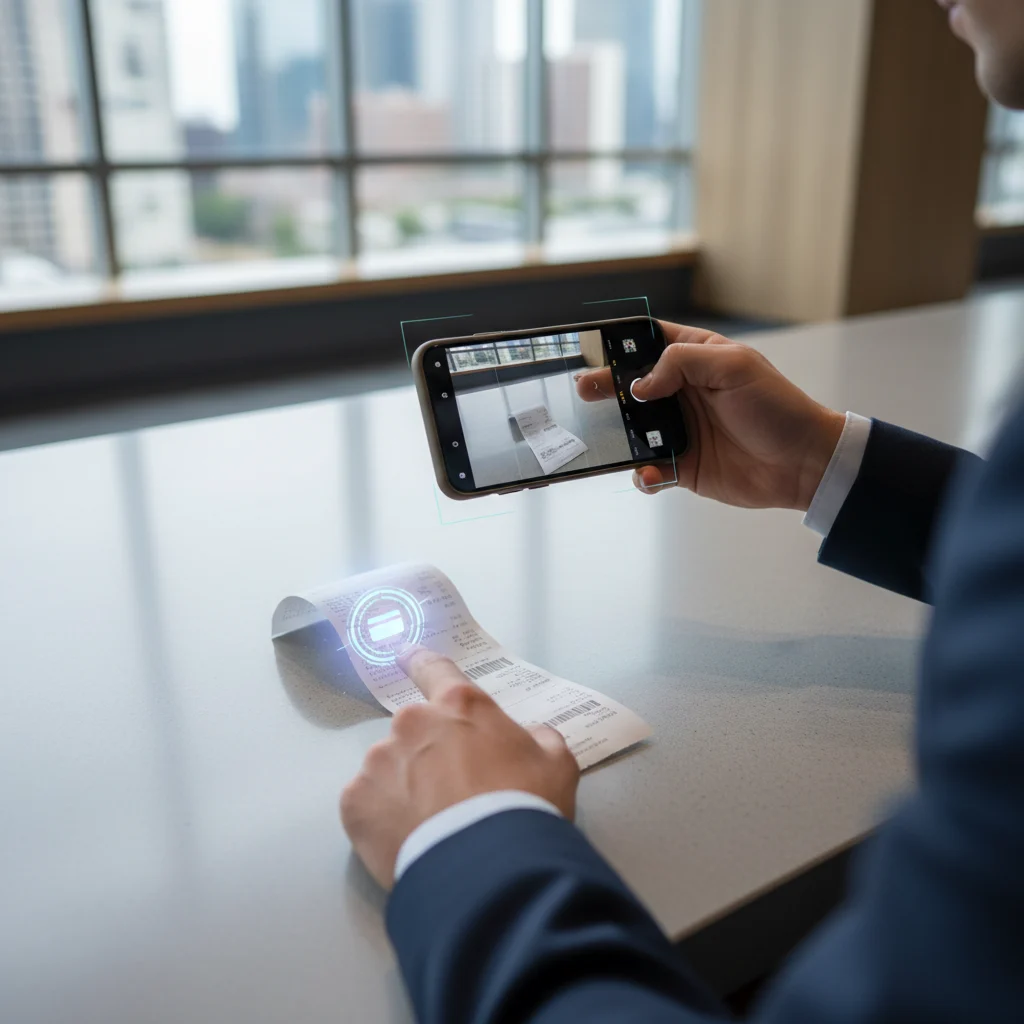
Earning Extra with Surveys and Ad Verification
The app also features short, highly targeted surveys based on your shopping habits. These surveys usually take less than a minute to complete. They pay out anywhere from 25 cents to a couple of dollars each, and the questions are surprisingly simple. Another optional feature lets users share their mobile ad-verification data. By allowing Amazon to track which ads they see on their devices, participants can tack on an extra $2 per month. It is a small addition, but it adds up over a year.
Why Amazon Wants Your Offline Data
For Amazon, this is not charity. It is a highly calculated business move. The company already knows exactly what you buy on its own platform. It knows your Kindle reading habits, your Prime Video preferences, and your smart home commands. What it lacks is a clear picture of what you purchase in the physical world. By buying your receipts from Target, local bakeries, or gas stations, Amazon bridges the gap between its online ecosystem and your offline life.
This offline data is gold for Amazon’s growing advertising business. Brands pay top dollar to understand consumer behavior. If Amazon can prove to an advertiser that a user saw an ad on Prime Video and later bought that exact product at a brick-and-mortar grocery store, it creates an incredibly powerful sales pitch.
The Privacy Trade-Off
Of course, this raises obvious privacy questions. You are essentially trading your personal purchasing history for a digital ten-dollar bill. Amazon insists that it deletes sensitive personal information, like prescription details or credit card numbers, from the receipts you upload. Still, consumer privacy advocates urge caution. Your shopping habits say a lot about your health, income, and lifestyle. For many, though, the trade-off is well worth it, especially in an era of stubborn inflation.
If you want to join, you cannot just sign up and start scanning. The program remains strictly invite-only. To throw your hat in the ring, you have to download the Amazon Shopper Panel app on iOS or Android and opt into the waiting list. From there, it is a waiting game. Some users get accepted in days, while others wait for months. With the current expansion, however, your chances of getting that coveted invitation email are higher than ever.
About the Author




