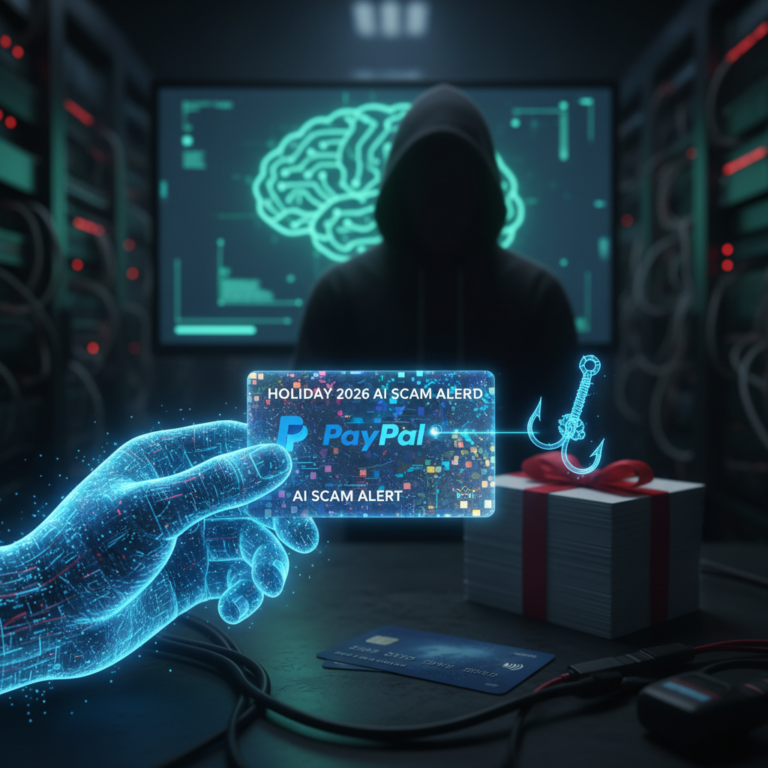
Cybersecurity experts are sounding the alarm early. This holiday shopping season faces a quiet but dangerous threat: highly convincing scams powered by generative artificial intelligence. The main target? Shoppers buying digital gift cards through PayPal.
Security firms say these attacks have evolved rapidly over the past year. They are no longer the sloppy, easily spotted emails of the past. Instead, scammers are using advanced large language models to write flawless, highly persuasive messages. These campaigns mimic official PayPal communications down to the finest detail, tricking even tech-savvy consumers into giving away their login credentials and financial details.
The AI Evolution in Phishing
For years, internet users could spot a scam by looking for bad grammar, broken English, or generic greetings. AI has changed the game for cybercriminals. By using automated text generators, bad actors can now write perfectly polished emails in dozens of languages.
“The scale and quality of these attacks are unprecedented,” says Sarah Chen, a principal threat researcher at Sentinel Cyber Group. “Scammers are using AI to translate, localize, and personalize phishing templates on the fly. They can scrape public data to make an email look like it is coming from a real friend or coworker recommending a holiday gift.”
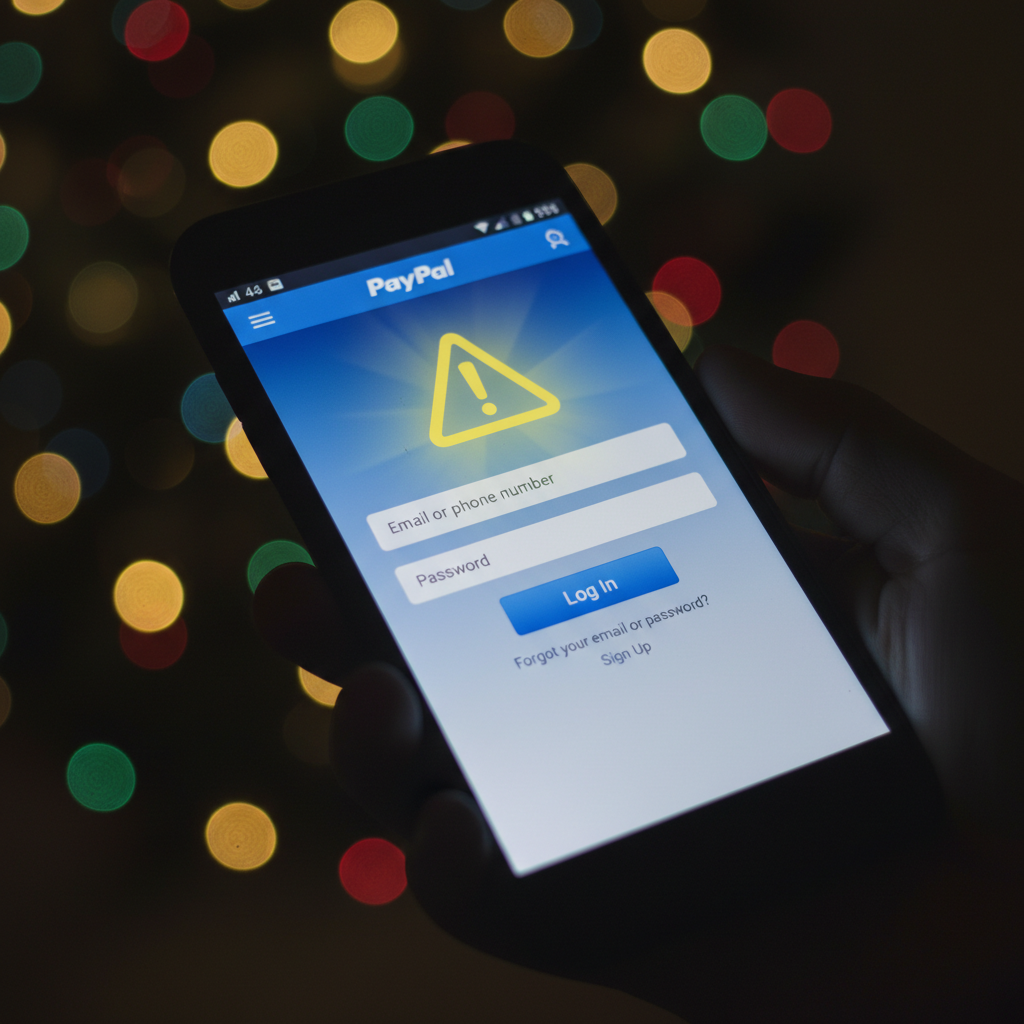
These emails typically promise massive discounts on digital gift cards or warn of “unauthorized activity” on a recent gift card purchase. When a user clicks the link, they are taken to a cloned website that looks identical to PayPal’s actual login portal.
Why Digital Gift Cards?
Digital gift cards are like digital cash. Once stolen, they are nearly impossible to recover. Unlike physical credit cards, which can be frozen or have transactions reversed, digital gift codes can be spent or traded within seconds of being stolen.
According to a recent report from Threat Shield Analytics, online gift card scams have risen by nearly 45% compared to last year. The surge is driven by how easy it is to liquidate these assets. Hackers often resell the stolen codes on third-party marketplaces at a slight discount, turning stolen data into clean cash almost instantly.

How the Scam Works
Security researchers have mapped out the multi-stage attack process. It usually follows a specific pattern:
- The Hook: An AI-generated email or SMS arrives, offering a limited-time deal on PayPal gift cards.
- The Clone: The victim clicks a link and is sent to a fake, highly convincing replica of the PayPal login page.
- The Bypass: The fake site uses “man-in-the-middle” software to capture the user’s login details and any multi-factor authentication (MFA) codes they enter.
- The Theft: The attacker accesses the real PayPal account, buys maximum-value digital gift cards, and funnels them to anonymous email addresses.
Defeating Two-Factor Authentication
One of the most alarming aspects of this new wave of attacks is how easily it bypasses traditional security. Many users assume that having two-factor authentication (2FA) active means they are perfectly safe. It does not.
“These systems use reverse-proxy tools,” explains Marcus Vance, Chief Security Officer at Threat Shield Analytics. “When you enter your one-time passcode on the fake site, the hackers instantly forward that code to the real PayPal site. They log in before the code expires. By the time you realize something is wrong, your account has been drained.”
This automated speed is only possible because of AI orchestration. The script monitors the phishing page in real-time, instantly reacting when a victim inputs their verification data.
How to Protect Yourself This Holiday
As the holiday shopping season ramps up, cybersecurity firms urge consumers to be incredibly cautious. Standard advice is no longer enough to spot the most sophisticated attacks.
Experts recommend avoiding links in emails entirely when buying digital gift cards. Instead, open a browser window and type PayPal’s web address directly into the URL bar. If a promotion seems too good to be true, it almost certainly is.
Consumers should also consider using passkeys instead of traditional passwords where possible, as passkeys are much harder to spoof via phishing sites. Taking an extra thirty seconds to double-check a URL before logging in can mean the difference between a happy holiday and an expensive headache.
About the Author