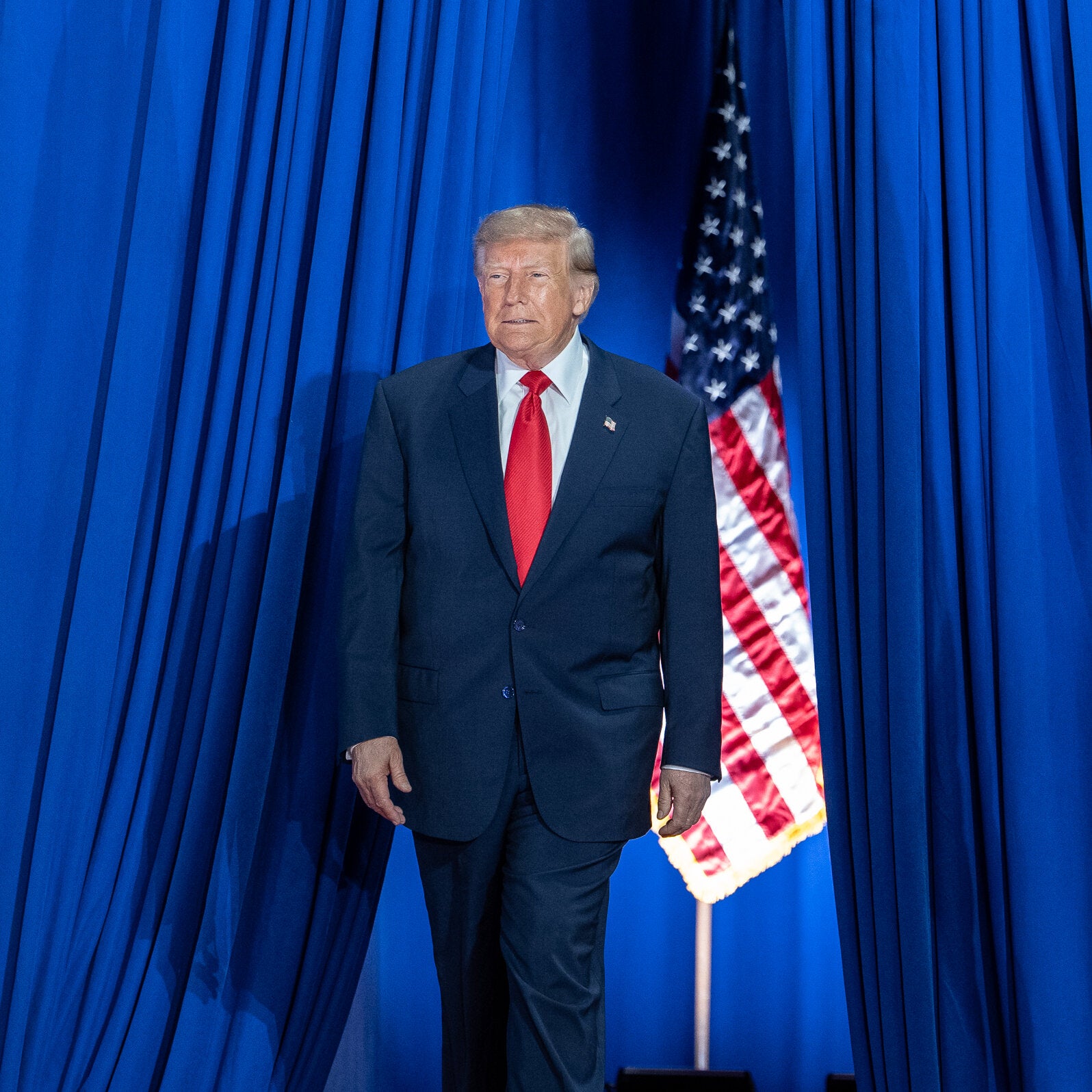
Hopes for a swift diplomatic opening between Washington and Moscow hit a wall on Thursday. Just hours after President Donald Trump announced that the United States had arranged to purchase Russian diesel, the Kremlin tamped down expectations, stating firmly that negotiations to end the war in Ukraine would not resume immediately.
The sudden disconnect highlighted the tricky reality of dealing with Moscow. While the White House framed the fuel purchase as a pragmatic step that could ease domestic energy pressures and perhaps thaw icy relations, Russian officials made it clear that energy sales do not guarantee quick concessions on the battlefield.
A Sudden Trade Announcement
Trump revealed the energy arrangement during an address to reporters, describing the import of Russian refined fuel as a sensible move to counter high domestic prices. For months, Washington had spearheaded an international embargo designed to choke off the Kremlin’s petroleum revenues. Buying Russian fuel directly marks a sharp pivot from that strategy.
Supporters of the administration argued that trade could serve as an incentive, nudging Russian President Vladimir Putin toward the negotiating table. The idea was simple: offer economic relief in exchange for security compromises. Yet critics in Congress and foreign policy veterans immediately questioned whether easing sanctions pressure would simply reward the Kremlin without securing any guarantees for Ukraine.
Then came Moscow’s response.
The Kremlin Pulls the Brakes
Kremlin spokesman Dmitry Peskov pushed back against the notion that the fuel agreement heralded an imminent peace summit. Addressing reporters in Moscow, Peskov said working contacts exist on individual technical files, but comprehensive talks regarding the conflict in Ukraine remain on hold for now.
Russian leadership continues to insist that any future dialogue must reflect what it calls new territorial realities. Moscow wants full recognition of its annexed regions, a binding pledge that Ukraine will stay out of NATO, and an end to Western military aid. None of those terms are acceptable to Kyiv.
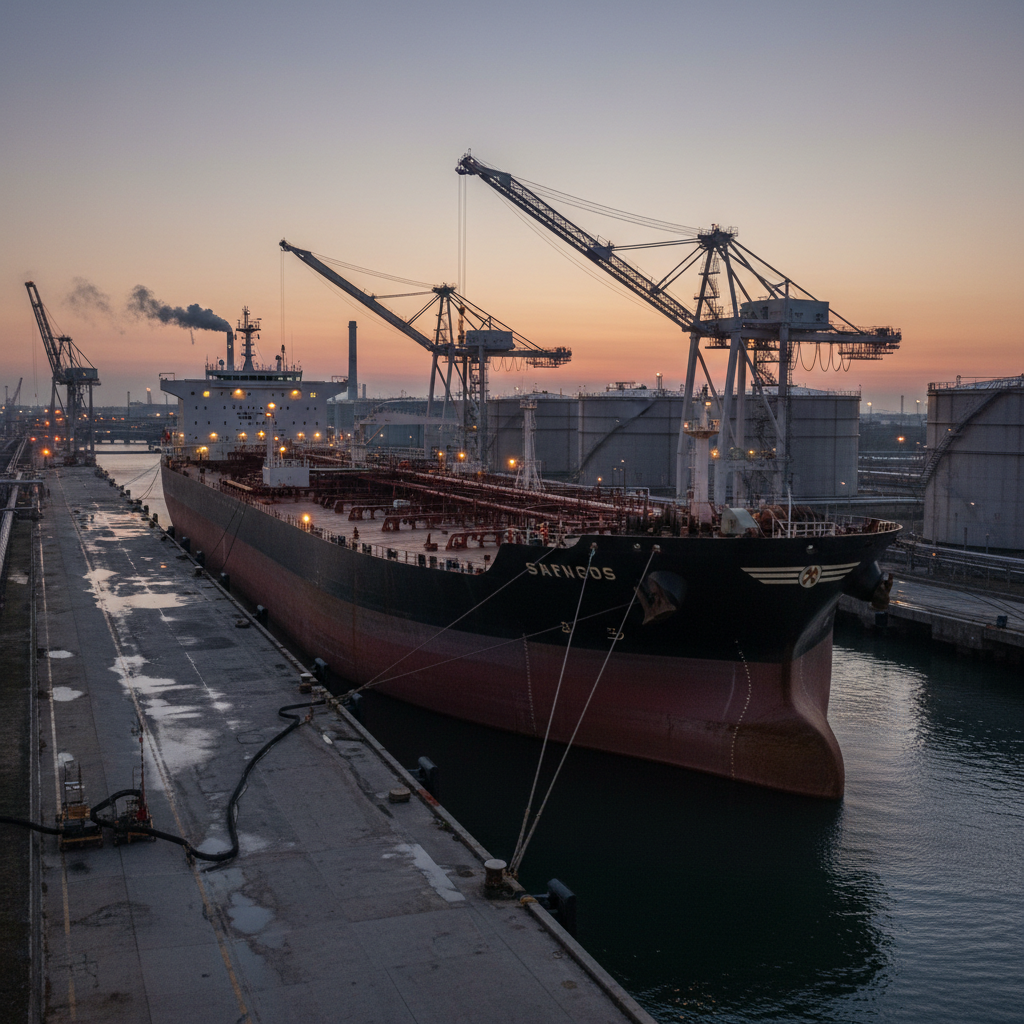
“Trade transactions and political settlements are two entirely separate tracks,” said one European diplomat briefed on the discussions. “Moscow is perfectly happy to sell oil for dollars while continuing its military campaign untouched.”
Kyiv and European Allies on Edge
In Kyiv, officials watched the exchange with deep unease. Ukrainian President Volodymyr Zelensky has repeatedly warned that cutting bilateral deals with Russia behind Ukraine’s back risks splintering the Western coalition.
Ukraine’s position has not changed:
- No territorial concessions in exchange for temporary pauses in fighting.
- Guaranteed Western security pacts before any drawdown of Ukrainian forces.
- Total withdrawal of Russian troops from sovereign Ukrainian territory.
European leaders in Brussels, Paris, and London also scrambled to assess the implications of Trump’s comments. Several European Union nations have endured steep energy price hikes over the past three years to sever their dependence on Russian pipelines. Seeing Washington step in as an energy customer, even temporarily, has ruffled feathers among NATO allies who fear their collective resolve is fraying.
The Road Ahead Remains Murky
The gap between Washington’s transactional diplomacy and Moscow’s hardline military goals remains vast. While Trump frequently touts his ability to settle international disputes through direct dealmaking, the war in Ukraine poses structural challenges that go far beyond commercial trade-offs.
Frontline fighting in eastern Ukraine has grinded on with relentless artillery duels and drone strikes. Russian forces continue to press along the Donbas front, while Ukraine struggles with ammunition bottlenecks and troop rotations. Neither side appears ready to blink without significant leverage.
For now, the White House has shown that it is willing to rethink long-standing sanctions policies to test Putin’s appetite for talks. But as Moscow’s prompt rebuff showed, striking an energy deal is one thing. Halting Europe’s bloodiest war in generations is another thing entirely.
About the Author






