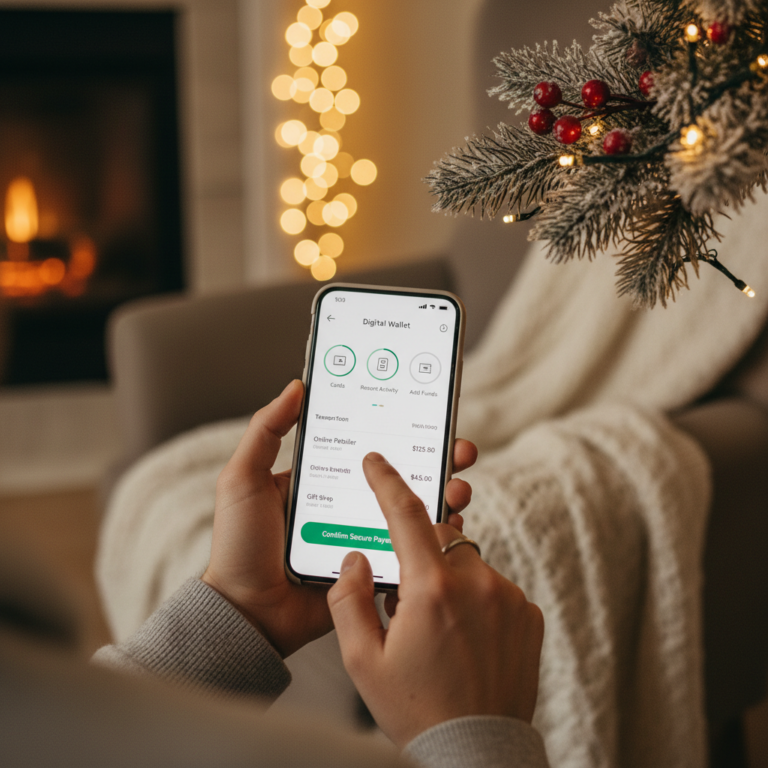
The Federal Trade Commission has issued an urgent alert for the final quarter of 2026, warning consumers about a wave of highly sophisticated, AI-driven phishing scams. The primary targets are PayPal gift card holders. Scammers are deploying advanced artificial intelligence to bypass traditional spam filters and trick even the most tech-savvy shoppers.
These are not the typical, poorly written phishing emails of the past. Instead, bad actors are leveraging generative AI to draft hyper-realistic, personalized messages that mimic official corporate communications with frightening accuracy.
How the New AI Phishing Scam Works
For years, internet users could spot a scam by looking for typos, awkward phrasing, or generic greetings like "Dear Customer." Generative AI has changed the game for cybercriminals. The FTC reports that scammers are now using large language models to write flawless, context-aware emails and text messages.
By scraping publicly available data and combining it with leaked consumer databases, these automated systems can personalize phishing lures on a massive scale. If you recently purchased or received a PayPal gift card, scammers might already have that information. They use it to craft a highly specific narrative.
"The level of customization we are seeing is unprecedented," said Samuel Levine, Director of the FTC’s Bureau of Consumer Protection. "These AI tools allow scammers to generate thousands of unique, convincing messages in seconds, making it incredibly difficult for standard security software to flag them as spam."
The Urgency of the Q4 Holiday Push
The timing of this surge is no coincidence. The fourth quarter of the year is prime time for digital gift card transactions. With millions of people purchasing gifts for family and friends, customer service channels are flooded, and consumers are often in a rush.
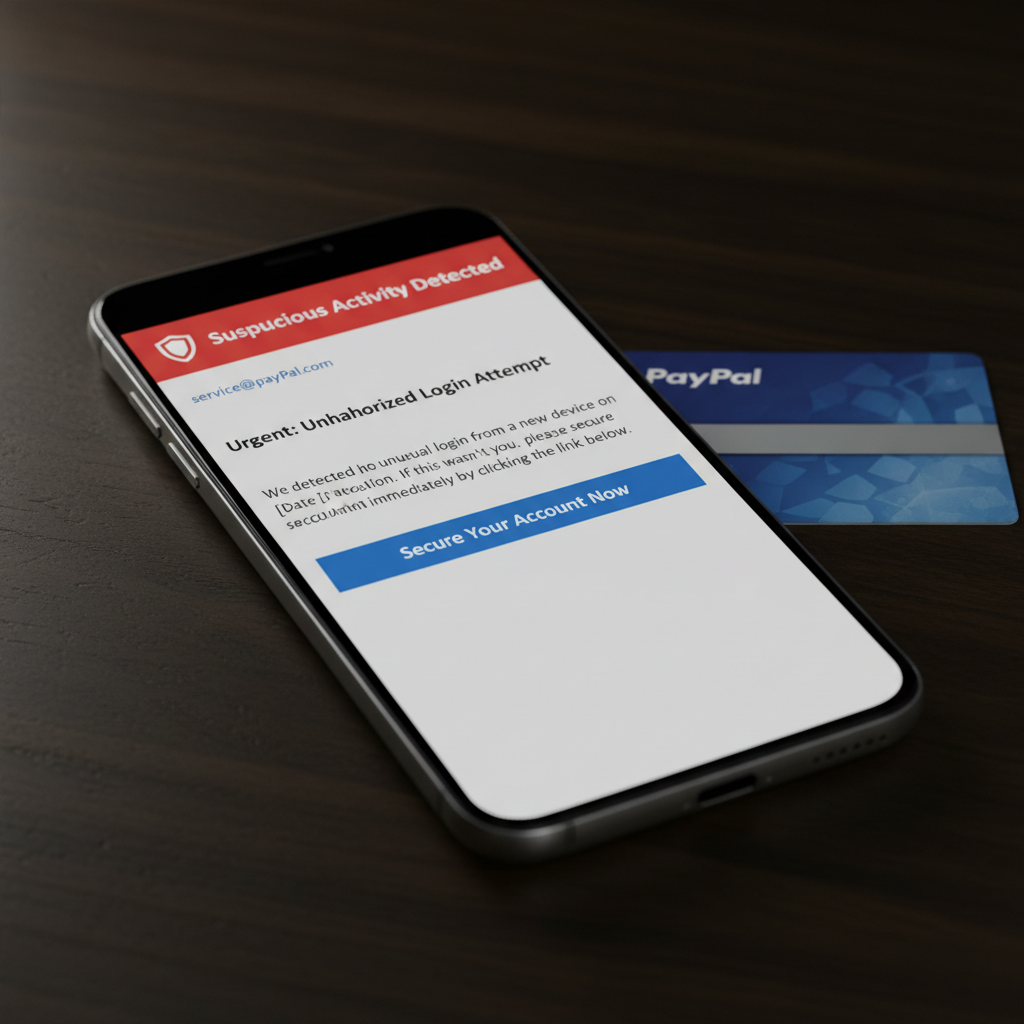
The scam typically starts with an urgent notification. You might receive a text or email claiming your PayPal gift card has been temporarily frozen due to "suspicious activity" or an "unauthorized claim attempt." To resolve the issue, you are urged to click a link and verify your card details.

Once you click the link, you are taken to a spoofed login portal that looks identical to PayPal's actual site. The moment you enter your gift card number and security PIN, the funds are drained. The scammers often transfer the balance to untraceable cryptocurrency accounts or use automated bots to purchase high-value physical goods immediately.
AI Voice Clones Adding to the Threat
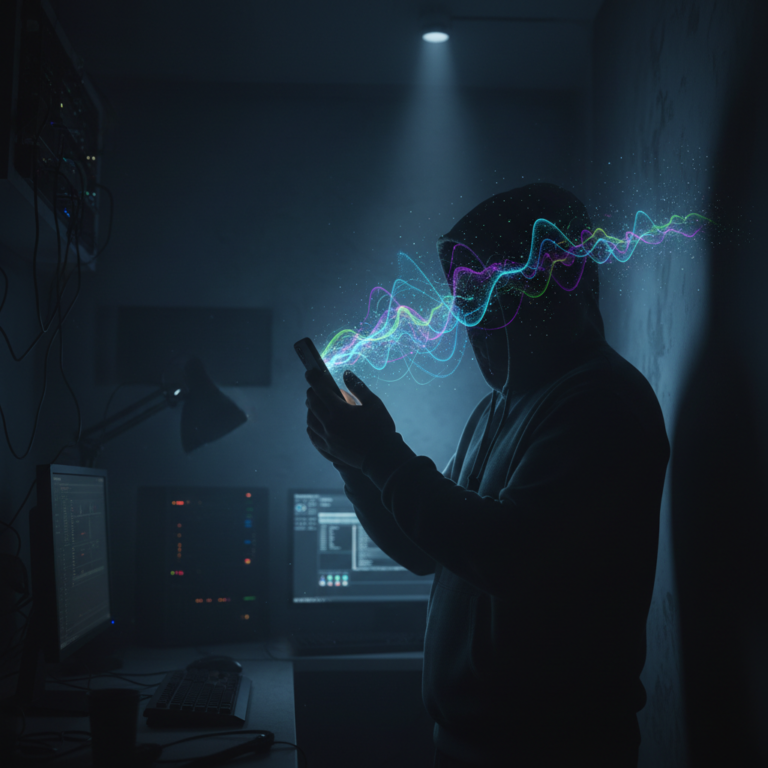
The threat is not limited to text. The FTC has also received reports of scammers using cloned AI voices to conduct follow-up phone calls. In these cases, victims receive a call from a number that appears to belong to PayPal support.
An automated, perfectly natural-sounding AI voice guides the user through a "security verification process," asking them to read their gift card numbers aloud. Because the voice sounds entirely human and polite, many victims do not realize they have been defrauded until it is too late.
"I received a call that looked like it came from PayPal’s actual support line," said Marcus Vance, a consumer who fell victim to the scam last month. "The voice sounded completely real and professional. It knew my name and the exact value of the gift card I had just bought. I didn’t suspect a thing until I checked my balance later and saw it was zero."
How to Protect Your Funds
PayPal is actively working with law enforcement and cybersecurity firms to shut down these malicious domains, but new ones pop up every day. Because the technology evolves so rapidly, the FTC stresses that consumer awareness is the best line of defense.
To keep your money safe, safety experts recommend several key steps:
- Never click direct links: If you receive an alert about your gift card, do not click any links in the message. Go directly to the official PayPal website or open your mobile app to check your account status.
- Verify sender addresses carefully: Scammers often use email addresses that look close to the real thing but have minor alterations, such as using a zero instead of the letter 'O'.
- Keep PINs private: PayPal support will never ask you for your gift card PIN over the phone or via text message. Treat your PIN like a password.
- Set up two-factor authentication: Enable multi-factor security on your PayPal account to add an extra layer of defense against unauthorized access.
If you suspect you have been targeted by one of these AI-driven campaigns, the FTC urges you to file a report at ReportFraud.ftc.gov. Quick reporting helps federal investigators track the digital footprints of these operations and warn others before more holiday shoppers lose their hard-earned money.
About the Author