Predatory Design in the Spotlight
The battle over how mobile games treat their players is heating up in Europe. Today, a coalition of European consumer protection agencies launched a coordinated attack on one of the biggest cash cows in the mobile app world: Coin Master.
Led by groups across several EU member states, including watchdogs in Germany, Norway, and Denmark, the joint complaint accuses Israeli developer Moon Active of using aggressive ‘dark patterns’ and gambling-like mechanics to squeeze cash out of unsuspecting players—many of whom are children.
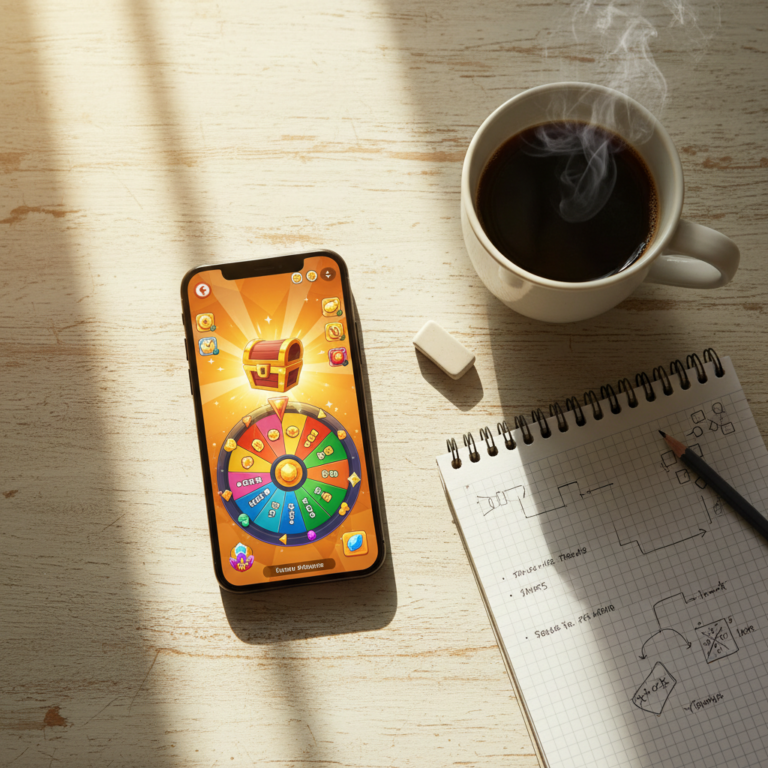
If you have ever played the game, you know the drill. It features a cheerful cartoon pig, bright colors, and simple village-building goals. But behind the friendly facade lies a digital slot machine. To build your village, you need virtual coins. To get coins, you have to spin a wheel. When you run out of free spins, the game starts pushing you to open your real-world wallet.
That is where watchdogs say the game crosses the line.
The Psychology of the Spin
According to the complaint filed with national regulators and the European Commission, the game relies heavily on deceptive design loops. These are psychological tricks meant to manipulate players into spending money they did not intend to. The watchdogs argue that the app constantly bombards users with pop-up offers, fake countdown timers, and artificial limitations that create a false sense of urgency.
Sandra Schmitz, a digital policy expert working with the coalition, warns of the long-term impact on younger players. ‘Games should be fun, not digital traps designed to exploit human psychology,’ she says. ‘We are seeing a generation of young players being conditioned to accept gambling mechanics as normal gameplay. It is predatory, and it has to stop.’

A major point of contention is how the game targets minors. Although app store ratings suggest the game is suitable for young audiences, the underlying mechanics are identical to those found on a casino floor. The endless flashing lights, celebratory sounds for near-misses, and the constant urge to take ‘just one more spin’ are classic slot machine tactics.
Social Pressure and Revenge Spending
The game also utilizes social pressure. Players are encouraged to connect their Facebook accounts to play with friends. Once connected, they can attack their friends’ virtual villages or steal their coins. When a friend wrecks your progress, the game instantly offers you a paid shortcut to get revenge and rebuild. It exploits social relationships and basic human pride.
European watchdogs argue this violates the EU’s Unfair Commercial Practices Directive. They also point to the newly enacted Digital Services Act, which explicitly bans online platforms from using dark patterns that mislead or impair a user’s autonomy.
Setting a Precedent for Mobile Gaming
This is not the first time the video game industry has faced scrutiny in Europe. For years, regulators have bickered over loot boxes—virtual mystery crates that players buy with real money for a chance at random in-game items. Some countries, like Belgium, banned them outright. Others have taken a softer approach. But the complaint against Moon Active represents a shift in focus. It targets the very design flow of the game, rather than just isolated purchases.
If regulators agree with the consumer groups, the developer could face several consequences:
- Hefty financial penalties levied by national authorities
- A forced overhaul of the game’s core progression and monetization mechanics in Europe
- Stricter age verification requirements to prevent children from playing
For now, Moon Active has not issued a formal response to the coordinated complaints. But the pressure is mounting. As EU regulators look to flex their muscles under new digital laws, developers might soon find that the era of easy, unregulated mobile gaming profits is coming to an end. Players deserve transparency, and Europe seems determined to make sure they get it.
About the Author