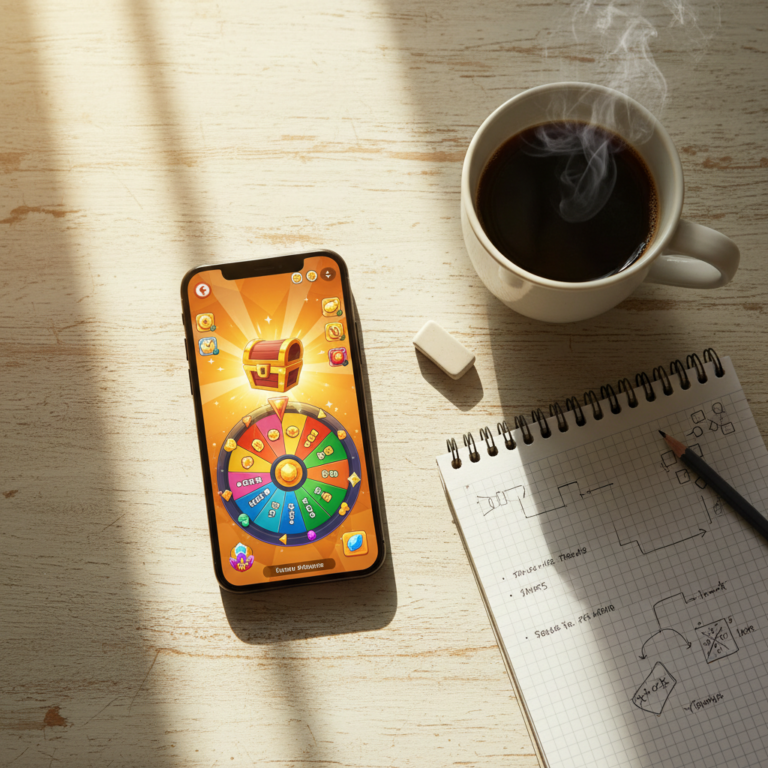
A Looming Regulatory Storm
European watchdogs are drawing a hard line. Casual mobile games that look and feel like slot machines are about to face a massive regulatory storm. At the top of the hit list is Coin Master, the wildly popular mobile game developed by Moon Active.
New guidelines scheduled for 2026 will fundamentally change how these “social casino” games are advertised and operated across the continent. For years, games like Coin Master have occupied a legal gray zone. They feature spinning reels, betting mechanics, and jackpot sounds. Yet, because players cannot win real money, they escape the strict oversight applied to traditional online casinos.
Closing the Loophole
Not anymore. Regulators from a coalition of European nations, including Germany’s gambling authority and consumer rights advocates in Belgium and the Netherlands, are pushing to close this loophole. Under the draft 2026 framework, any game using simulated gambling mechanics will face severe advertising restrictions.
Let’s look at how Coin Master works. Players spin a virtual slot machine to win coins, attack rival villages, or shield their own. It sounds innocent. But critics argue the psychological triggers are identical to real-world gambling. The constant flashing lights, the near-misses, and the urge to buy “just one more spin” are all designed to keep players hooked. To regulators, it is a gateway.
“We are seeing a generation of young players being conditioned to accept slot-machine mechanics as normal entertainment,” says Marc De Meester, a European consumer policy analyst. “By the time they turn 18, the transition to actual online gambling is seamless. This is what we have to stop.”
Strict New Advertising Limits
Under the incoming 2026 rules, games categorized as social casinos will be banned from targeting minors in any promotional material. This means no social media ads on TikTok or Instagram unless publishers can prove a 100% adult audience.

The proposed guidelines outline several key restrictions:
- A total ban on social media ads targeting audiences under 18 years old.
- Mandatory age-verification checks before downloading simulated gambling apps.
- Prominent on-screen warnings about the risks of simulated gambling addiction.
App store listings will also have to carry explicit, high-contrast warnings, similar to those found on cigarette packs or sports betting apps.
The financial stakes are astronomical. Coin Master has generated billions of dollars in lifetime revenue, largely driven by in-app purchases of extra spins. If Moon Active and other developers are forced to hide their ads or restrict them to verified adult audiences, user acquisition costs will skyrocket. Some estimates suggest the social-casino market could see a 30% drop in European player acquisition once the rules take effect.
The Industry Defends Itself
Moon Active has previously defended its business model. They point out that the game is designed for casual fun and that players are never forced to spend money to progress. They also emphasize that no real currency can ever be cashed out of the game. However, European authorities are moving past the “no real cash-out” defense. They argue that the psychological harm of simulated gambling is real, regardless of whether a payout occurs.
Other European countries are taking even harsher steps. Spain is already drafting laws to regulate loot boxes and simulated gambling under its national gambling framework. The UK’s watchdog has also kept a close eye on the situation, though it currently favors industry self-regulation over hard bans. But the EU’s 2026 rules could set a precedent that neighboring non-EU countries will find hard to ignore.
For developers, the clock is ticking. They have just under two years to either redesign their core gameplay loops or prepare for a reality where their primary marketing channels are cut off. The era of the unregulated virtual slot machine is drawing to a close.
About the Author