The Panicked Call That Isn’t Real
The phone rings. You pick up. On the other end of the line, your teenage son is sobbing. He tells you he is in trouble. His online gaming account has been locked, or maybe he is being threatened by another player over an in-game debt. He says he needs you to buy Xbox gift cards right now and read him the codes, or the situation will get worse.
The voice has his exact cadence. It has his nervous laugh, his specific way of saying your name, and even the background noise of a busy hallway. You run to the store, buy the cards, and read the numbers aloud. Only later, when your son walks through the front door safe and sound, do you realize you have been conned.
This is not a hypothetical scenario. Microsoft issued an urgent warning this October about a highly sophisticated wave of phishing scams targeting families. Fraudsters are combining advanced, near-instantaneous artificial intelligence voice cloning with classic high-pressure tactics to swindle parents out of hundreds of dollars at a time.
How Scammers Steal a Child’s Voice
The technology behind these scams has evolved rapidly. What used to require hours of clean studio audio can now be done with a scrap of sound. Security analysts say scammers are scraping public social media profiles on platforms like TikTok, Instagram, and YouTube.
“It takes less than three seconds of audio to create a near-perfect voice clone today,” says Sarah Jenkins, a lead cybersecurity analyst who has been tracking the campaign. “If your kid has posted a short video talking to the camera, their voice is out there. Scammers feed that clip into an AI model, and suddenly they can make that child say absolutely anything they type into a keyboard in real-time.”
Once the voice clone is ready, the scammers wait for the right moment. They often call during school hours or when they know the child is away at sports practice, making it harder for the parent to quickly verify the story.
Why Xbox Gift Cards?
The choice of currency is deliberate. Scammers do not want wire transfers or credit card payments, which trigger immediate fraud alerts at banks. They want digital gift codes.
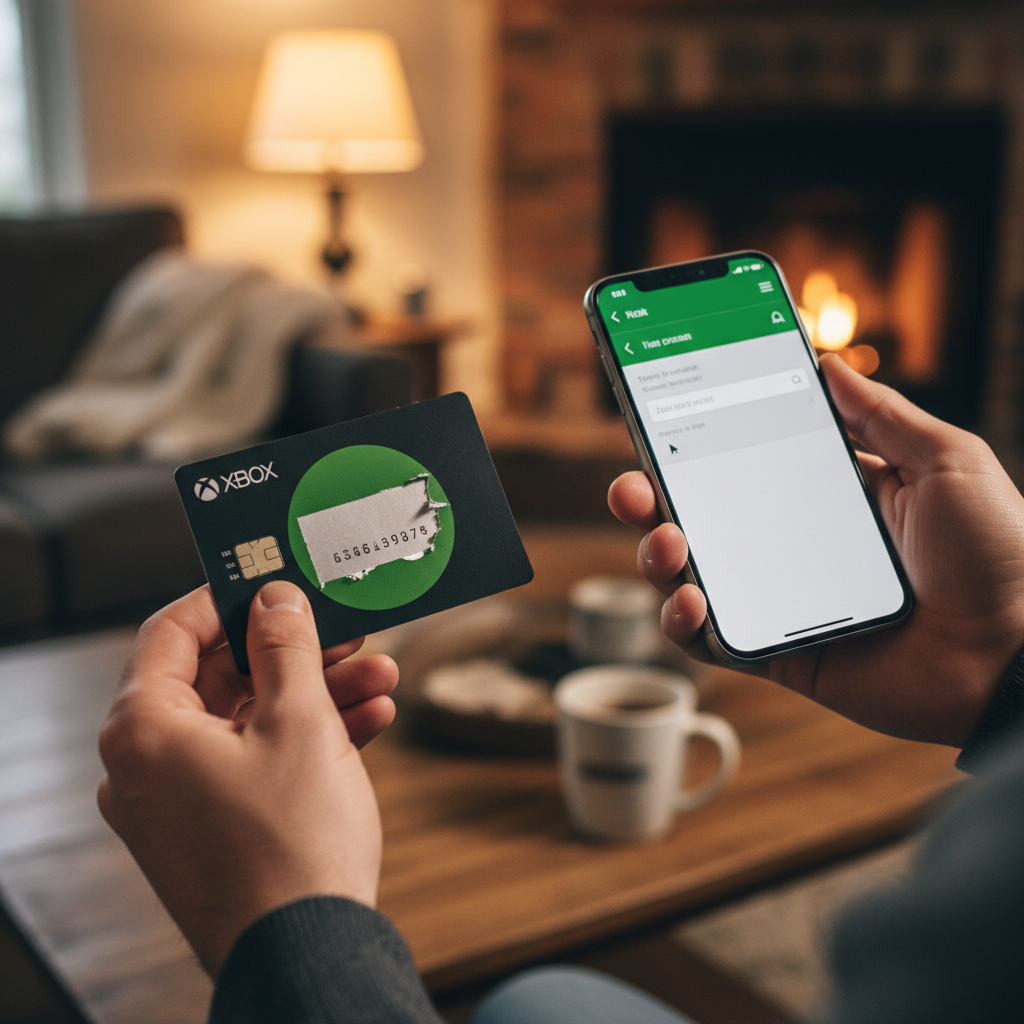
Xbox gift cards are highly liquid. Once the parent reads the digital code over the phone, the scammers can instantly redeem it or resell it on third-party digital marketplaces for cash. The money is gone in seconds, and tracing the transaction is incredibly difficult.
Microsoft’s security team noted that the scam plays on the natural instinct of a protective parent. Because the financial demand is relatively low—usually between $200 and $500—parents are more likely to comply immediately rather than taking the time to ask questions or call the police.
How to Protect Your Family
As the holiday shopping season approaches, cybersecurity experts expect these voice-cloning scams to increase. Microsoft is urging families to take proactive measures to avoid falling victim to these emotional traps.
Establish a Family Safe Word
One of the easiest and most effective defenses is a family password. Choose a unique word or phrase that only your immediate family members know. If you ever receive a frantic call asking for money or gift cards, ask the caller for the safe word. A scammer will not have it.
Hang Up and Call Back
No matter how real the voice sounds, do not let panic dictate your actions. Hang up the phone immediately. Call your child back directly on their mobile number, or contact their school’s front office to verify where they are.
Lock Down Social Media Accounts
To prevent scammers from harvesting your family’s voices, review the privacy settings on all social media accounts. Switching profiles to private and limiting who can view or download video content makes it much harder for criminals to steal vocal samples.
Report the Incident
If you receive one of these calls, report it. You can file a complaint with the Federal Trade Commission (FTC) and report the specific phone number to your mobile carrier. Sharing your experience with friends and neighbors also helps raise awareness before they get targeted.
Technology has made it easier than ever to mimic the people we love. In this new era of digital deception, a healthy dose of skepticism is a parent’s best defense.
About the Author