A massive wave of sophisticated malware is targeting Xbox digital gift cards just as the 2026 holiday shopping season kicks into gear. Cybersecurity firms are sounding the alarm. They warn that a newly discovered strain of malicious software, dubbed "GiftGrabber-26," is actively draining digital balances before users can even hit the redeem button.
It is a highly automated attack. Unlike older phishing scams that rely on tricked users typing their codes into fake websites, this new threat lives directly on compromised personal computers. It intercepts transactions in real time.
How the Silent Theft Works
Security firm ThreatSentinel first spotted the campaign in late October. According to their threat intelligence report, the malware spreads through infected browser extensions, compromised third-party gaming utilities, and trojanized video game mods. Once inside a victim’s system, it lies low and waits.
"This isn’t a simple copy-paste scam," says Sarah Jenkins, lead threat analyst at ThreatSentinel. "The malware operates silently in the background. It monitors the system clipboard and web traffic specifically for the 25-character alphanumeric pattern used by Microsoft for Xbox gift cards. The second it detects a code, it transmits it to a hacker-controlled server."
This entire process happens in milliseconds. When a legitimate user attempts to redeem their card, they are met with a frustrating error message saying the code has already been used. By then, the money is gone.
High Tech Stealth Tactics
Researchers at Aegis Cyber Security discovered the malware uses a technique called "process hollowing." It disguises its malicious code inside legitimate Windows background processes, such as the calculator or notepad applications, to escape detection by basic antivirus software.
The scale of the operation is staggering. Analysts estimate that the threat actors behind GiftGrabber-26 have already compromised over 45,000 devices worldwide. With Xbox consoles and digital game passes topping many holiday wish lists, researchers fear the damage could skyrocket as December approaches.
Why Hackers Target Gaming Credits
Digital currency is incredibly easy to liquidate. Hackers use the stolen gift card balances to purchase high-value in-game items, digital deluxe game editions, or subscription passes. They then resell these loaded accounts or item codes on secondary marketplaces for clean cash. It is nearly impossible to trace once the transaction clears.
"Microsoft’s ecosystem is a massive target because of its unified nature," explains Marcus Vance, a retail cybersecurity specialist. "An Xbox card works across Windows, mobile gaming, and consoles. That flexibility makes it highly attractive for digital money laundering."
The malware also uses an advanced technique called "API hijacking." If a user logs into their Microsoft account on an infected browser, the malware can bypass multi-factor authentication cookies to initiate transactions directly in the background. It does this without triggering suspicious login alerts because the traffic originates from the user’s trusted device.
How to Keep Your Holiday Funds Safe
Microsoft has not officially commented on the specific malware strain but released a general statement urging users to keep their operating systems and browsers updated. The tech giant also recommends using the official Xbox mobile app or console dashboard directly for redemptions, rather than web browsers on PC, which are far more vulnerable to extension-based malware.
Security experts recommend several immediate steps to protect your purchases:
- Avoid downloading game mods, cheats, or unofficial patches from untrusted forums.
- Redeem digital gift cards immediately upon receipt so the codes do not sit exposed in email inboxes.
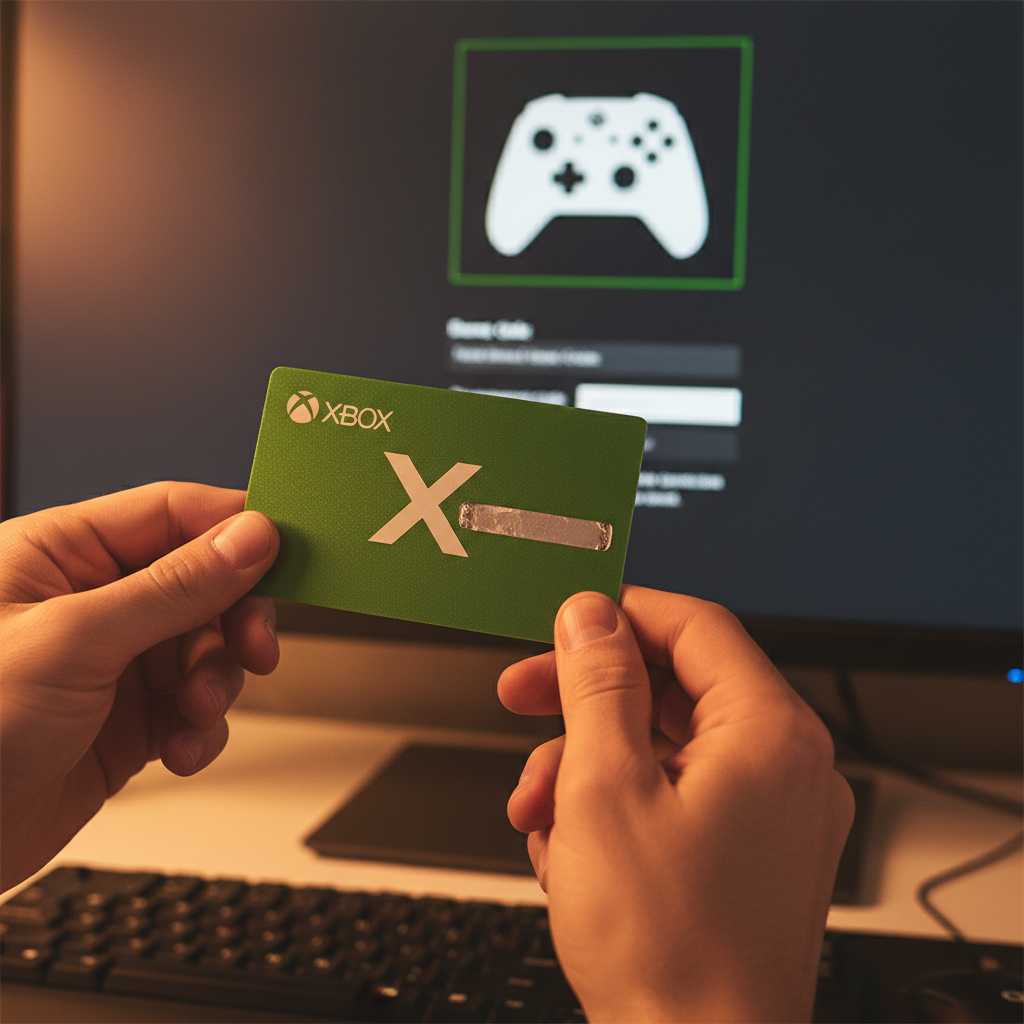
- Type the 25-digit code manually on your physical Xbox console rather than using copy-and-paste on a computer.
"If you absolutely have to redeem a code on a PC, do it in a private browsing window with all extensions temporarily disabled," Jenkins advises. "Better yet, stick to the physical console dashboard. It is much harder for desktop-based malware to intercept inputs on a closed console operating system."
With billions of dollars expected to change hands this winter, cybercriminals are getting smarter. Gamers and parents buying gifts this year will need to be just as clever to keep their money safe.
About the Author