The Federal Trade Commission is sounding the alarm on a highly sophisticated new threat just as the 2026 holiday shopping rush gets underway. Scammers are now using advanced artificial intelligence to clone voices, specifically targeting people buying Xbox gift cards. It is a modern twist on an old fraud, but the technology makes it incredibly convincing.
The federal agency warned that these AI-powered “vishing” scams have reached unprecedented levels of realism. Scammers only need a short audio clip—often pulled from public social media posts—to create a near-perfect digital replica of a loved one’s voice. Armed with this clone, they launch targeted attacks on unsuspecting consumers.
How the Voice Cloning Trap Works
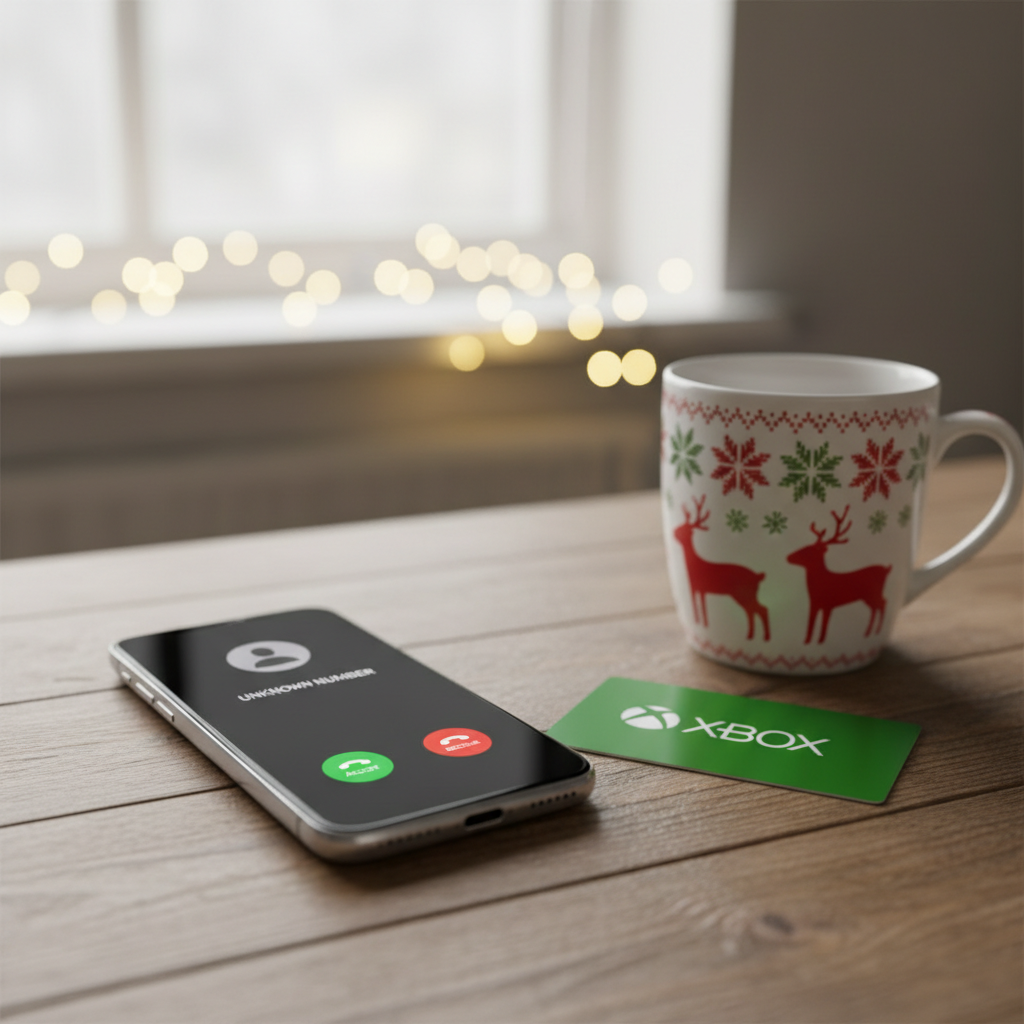
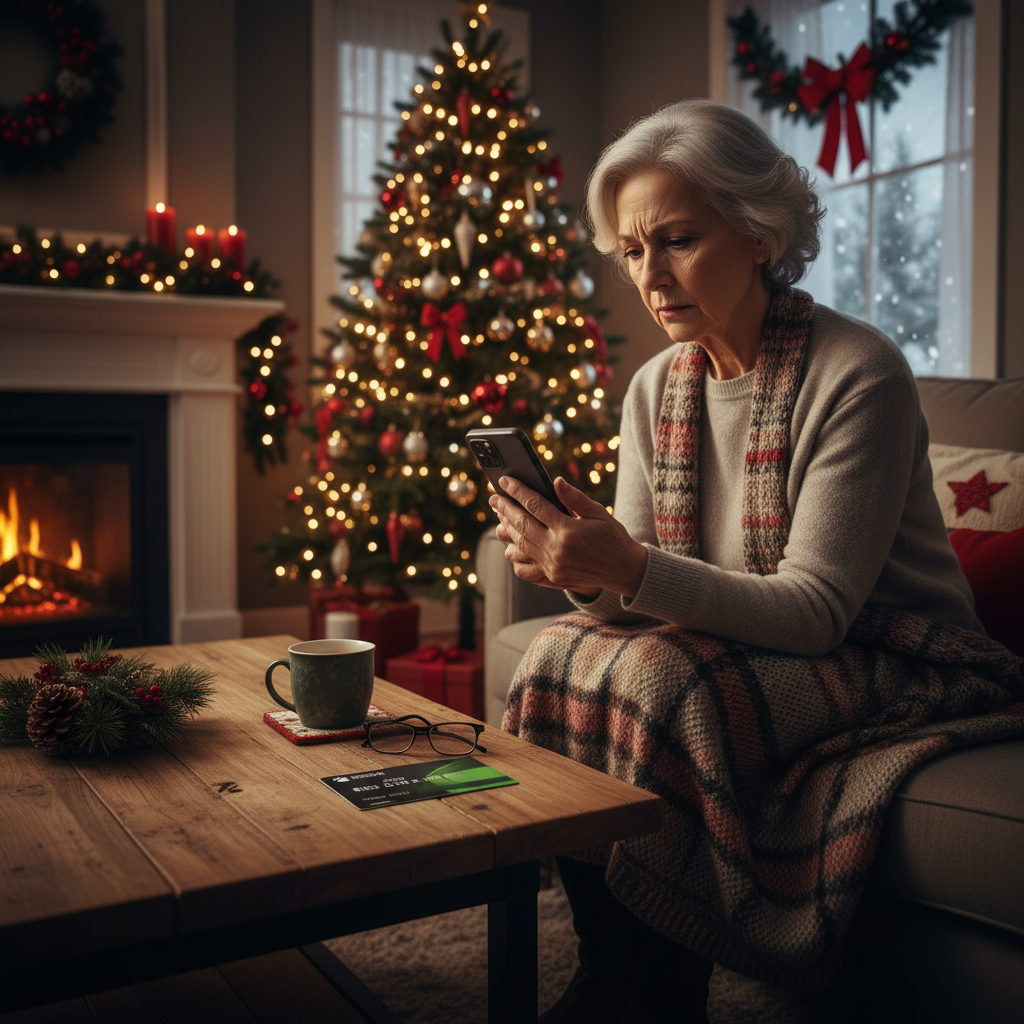
The phone rings. You answer. It sounds exactly like your teenager, your grandchild, or a close friend. The voice on the other end is panicked. They claim they are in a bind, perhaps stranded at an airport or in minor trouble, and need help immediately. Or, in another variation, the caller claims to be a Microsoft customer support representative warning that your Xbox account has been hacked and requires immediate action to save your digital library.
In both scenarios, the urgency is manufactured. The solution the caller offers, however, is highly specific: go to a local retailer, purchase several Xbox gift cards, and read the registration codes over the phone to resolve the crisis. By the time the victim realizes they have been tricked, the funds are gone.
The timing of the warning is no coincidence. Retailers see a massive surge in gift card sales during November and December. Scammers know this and exploit the holiday rush, hoping busy shoppers will act quickly out of panic or distraction.
A New Era of Digital Fraud
“These are not the robotic, easily spotted scams of a few years ago,” says Samuel Levine, Director of the FTC’s Bureau of Consumer Protection. “The technology has advanced to the point where even highly cautious family members are being fooled by these synthetic voices. We are urging everyone to slow down and verify who they are actually talking to.”
Why target Xbox gift cards specifically? They are highly liquid digital commodities. Once a scammer has the 25-character code from the back of the card, they can instantly transfer the balance to other accounts, buy high-value digital goods, or resell the codes on secondary online marketplaces. Unlike a credit card transaction, gift card payments cannot be reversed once they are redeemed.
Microsoft has also stepped in, reminding users that the company never cold-calls customers to demand payment for technical support. Legitimate support staff will never ask for payment in the form of gift cards from any brand.
Steps to Protect Yourself
The FTC recommends a few basic rules to keep from falling victim to these high-tech schemes during the holidays:
- Create a family password: Agree on a secret word or phrase with your family members. If someone calls claiming to be a relative in trouble, ask for the safe word to verify their identity.
- Hang up and call back: If you get a call from a loved one asking for money, hang up immediately. Call them back on their known, trusted phone number, not the one that just called you.
- Check the caller ID: Scammers can easily spoof phone numbers to make it look like a local call or a trusted contact is calling. Never rely on caller ID alone.
- Remember how gift cards work: Gift cards are for gifts. No real business, government agency, or utility company will ever demand that you pay them with a gift card.
The agency urges anyone who has encountered one of these calls to report it. Even if you did not lose money, filing a report helps law enforcement track down the groups behind these sophisticated operations. Reports can be filed directly at the official government website, reportfraud.ftc.gov.
About the Author