The era of grabbing a physical Xbox gift card from a retail rack in Europe is drawing to a close. Next month, Microsoft will officially shift its gaming gift cards to a digital-first format across EU territories. The move isn’t just a corporate sustainability trend. It is a direct response to strict new European Union circular economy laws set to take effect in a matter of weeks.
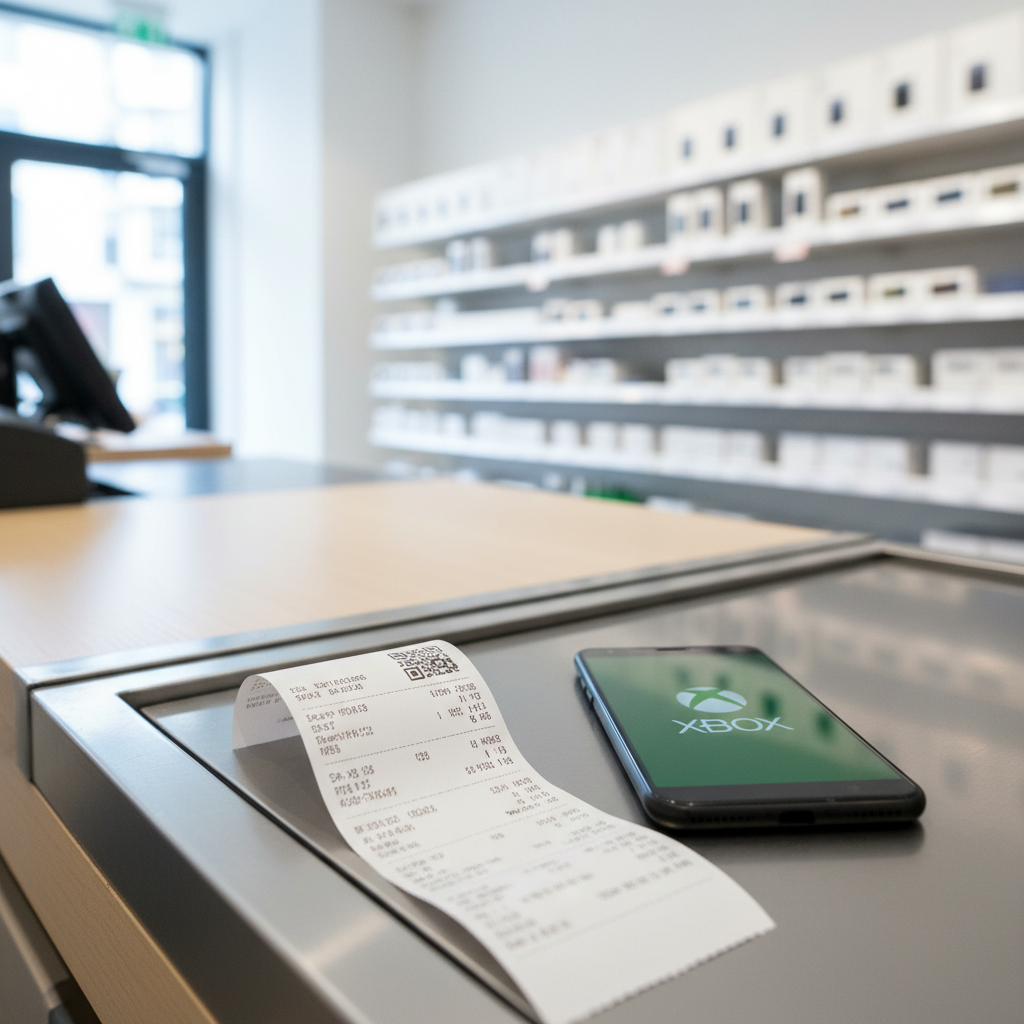
For years, buying a last-minute gift meant picking up a glossy, plastic-coated card from a local supermarket or electronics retailer. You would scratch off the silver foil on the back, type in a 25-character code, and start downloading. That simple ritual is about to disappear. In its place, European retailers will transition to selling digital codes printed directly on paper checkout receipts, or sent instantly via email and text message.
How New Packaging Laws Impact Gaming
The shift is driven by the EU’s updated Packaging and Packaging Waste Regulation (PPWR). The strict law aims to slash packaging waste by 5% by 2030, eventually reaching a 15% reduction by 2040. Under these incoming directives, companies must eliminate unnecessary empty space in packaging and phase out single-use plastics wherever possible. Physical gift cards, which routinely combine PVC plastic with laminated cardboard packaging, represent a prime example of avoidable waste in the eyes of regulators.
Microsoft’s proactive pivot reveals how tech giants are reacting to the incoming regulatory climate. Instead of redesigning cards with expensive bio-plastics or compostable paper—which still require industrial manufacturing and transport—the Xbox maker decided to bypass the physical medium entirely. It is a pragmatic choice that solves a regulatory headache while saving on production costs.
The Digital Checkout Experience
What does this mean for the average gamer? Honestly, not much will change at the checkout counter, other than what you hold in your hand. When you walk up to a register at stores like Fnac, MediaMarkt, or local gaming shops, you will still ask for a €20 or €50 Xbox credit. Instead of scanning a plastic hanger, the cashier will generate a code right at the point of sale. It prints onto your standard receipt, or goes straight to your phone.
While it lacks the tactile appeal of a physical gift, the environmental savings are hard to ignore. Millions of gift cards are produced, shipped, and discarded globally every year. By eliminating the physical product, Microsoft removes several stages of the traditional supply chain. There is no plastic to manufacture, no cardboard backing to print, and no heavy shipping boxes to transport across European highways.
How Retailers Are Adjusting
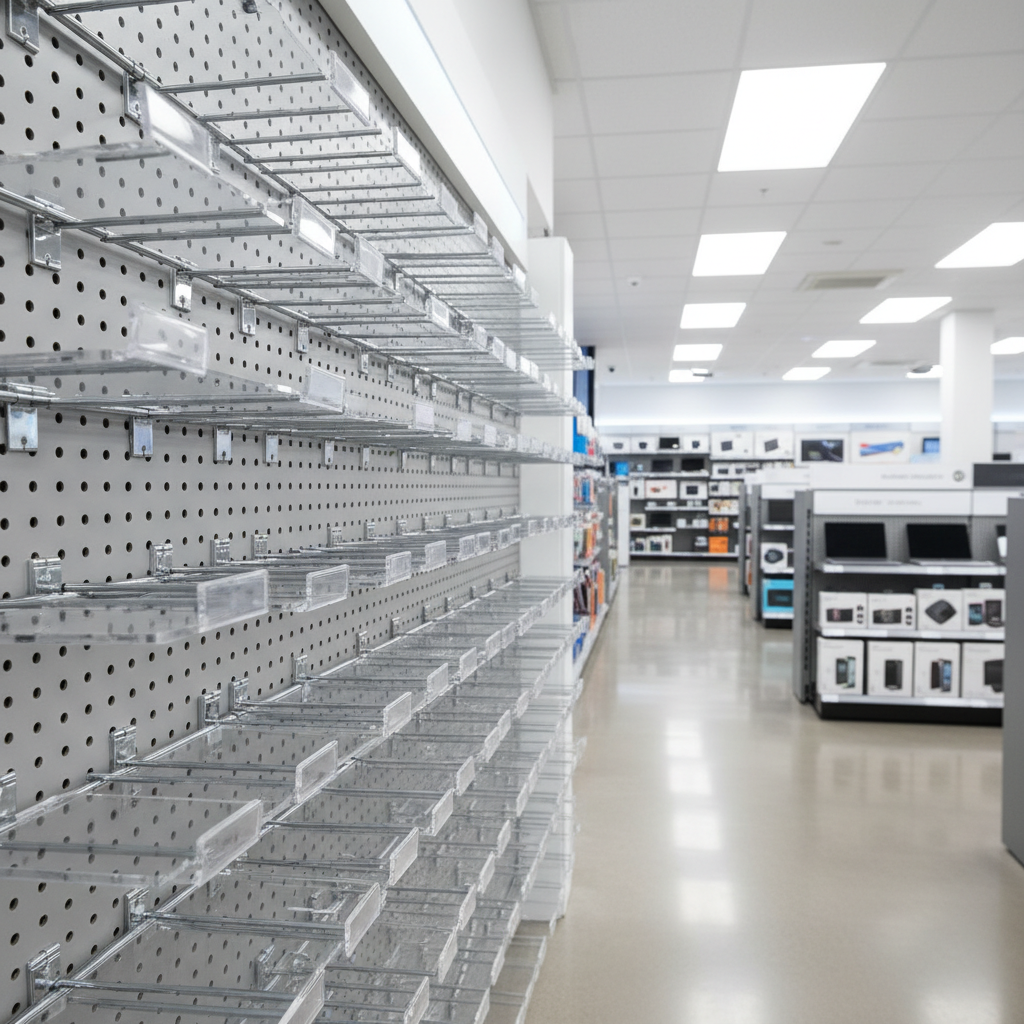
Retailers are also quietly preparing for the change. Adjusting to a digital-only system requires backend software updates to ensure point-of-sale systems can instantly fetch and print active codes. Some shops are worried that losing the physical displays might hurt impulse purchases. Those bright green racks at the end of store aisles act as highly effective billboards. To counter this, some European stores plan to use dummy cardboard mockups that customers can bring to the register, which are then recycled or kept by the store.
This shift also fits neatly into Microsoft’s broader environmental goals. The Redmond-based tech giant has committed to becoming a carbon-negative, water-positive, and zero-waste company by 2030. Cutting out physical gift cards in one of its largest markets is a major step toward that zero-waste milestone.
Other gaming and tech companies are watching the European rollout closely. Industry insiders expect Sony and Nintendo to follow a similar path in the region soon, as the pressure to meet EU environmental benchmarks mounts. For now, European Xbox players should get used to reading their codes off paper receipts or digital screens. The plastic gift card is officially becoming a relic of gaming history.
About the Author