The New Holiday Threat on Your Feed
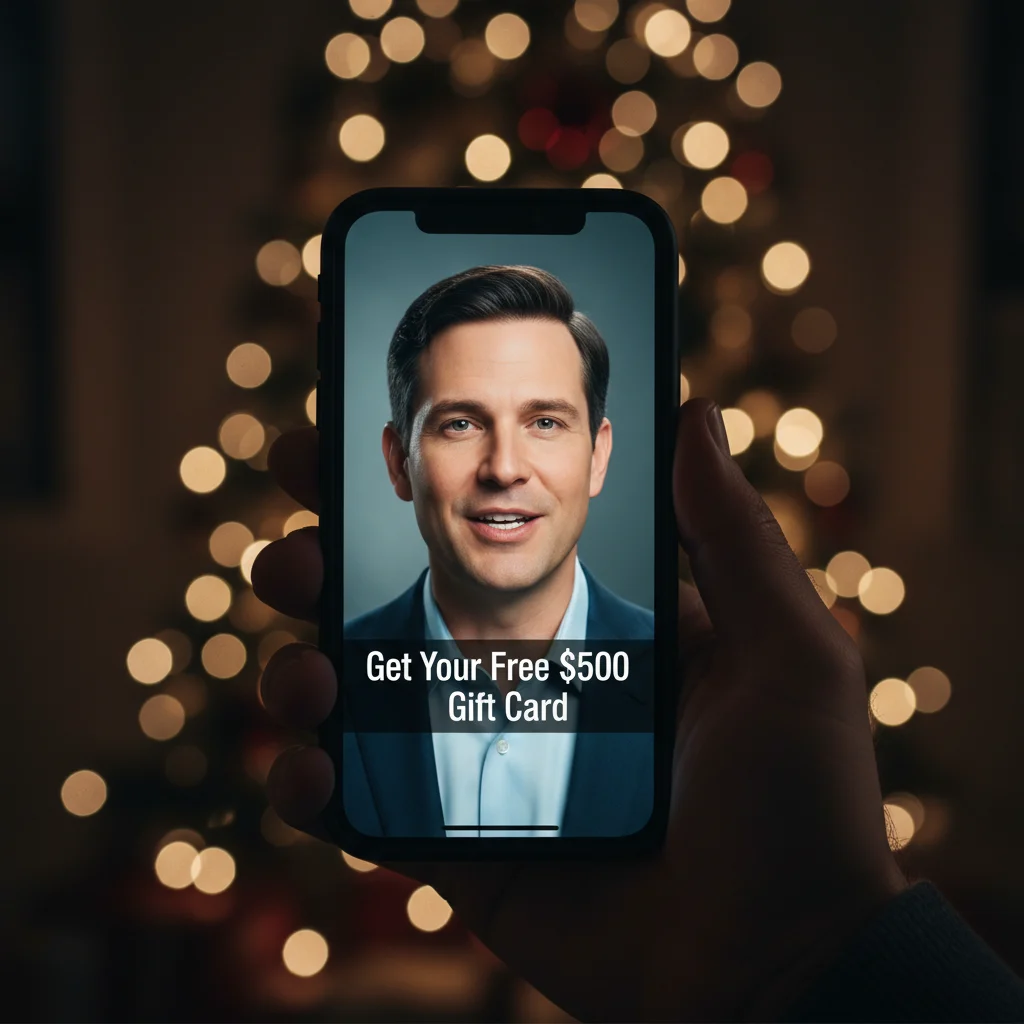
The holiday shopping season has barely started, but scammers are already out in full force. A highly sophisticated new scam is currently tearing through TikTok. It uses a hyper-realistic, AI-generated deepfake of Amazon CEO Andy Jassy to trick users into handing over their personal information. The fake video promises a free $500 Amazon gift card to anyone who acts quickly. It is an incredibly tempting offer. It is also entirely fake.
Cybersecurity experts began sounding the alarm this week as the video racked up millions of views. The timing is not an accident. October 2026 has become the unofficial start of the winter shopping rush, with major retail events pushing consumers to search for early deals. Scammers are taking advantage of this pre-holiday rush. They know people are looking to stretch their budgets.
How the Andy Jassy Deepfake Works
“This is not the amateurish deepfake technology we saw a couple of years ago,” says Marcus Vance, a senior threat analyst at cybersecurity firm Cybereye. “The lip-syncing is almost flawless, the voice tone matches Jassy’s real speaking style perfectly, and the background looks exactly like an official corporate announcement.”
In the video, the digital clone of Jassy claims that Amazon is running an exclusive October promotion to reward loyal customers. He directs viewers to click the link in the poster’s TikTok bio to claim their prize. Because Jassy frequently gives public interviews, scammers had plenty of high-quality source material to feed into their AI engines to build this convincing clone.
The Phishing Trap and Financial Risk
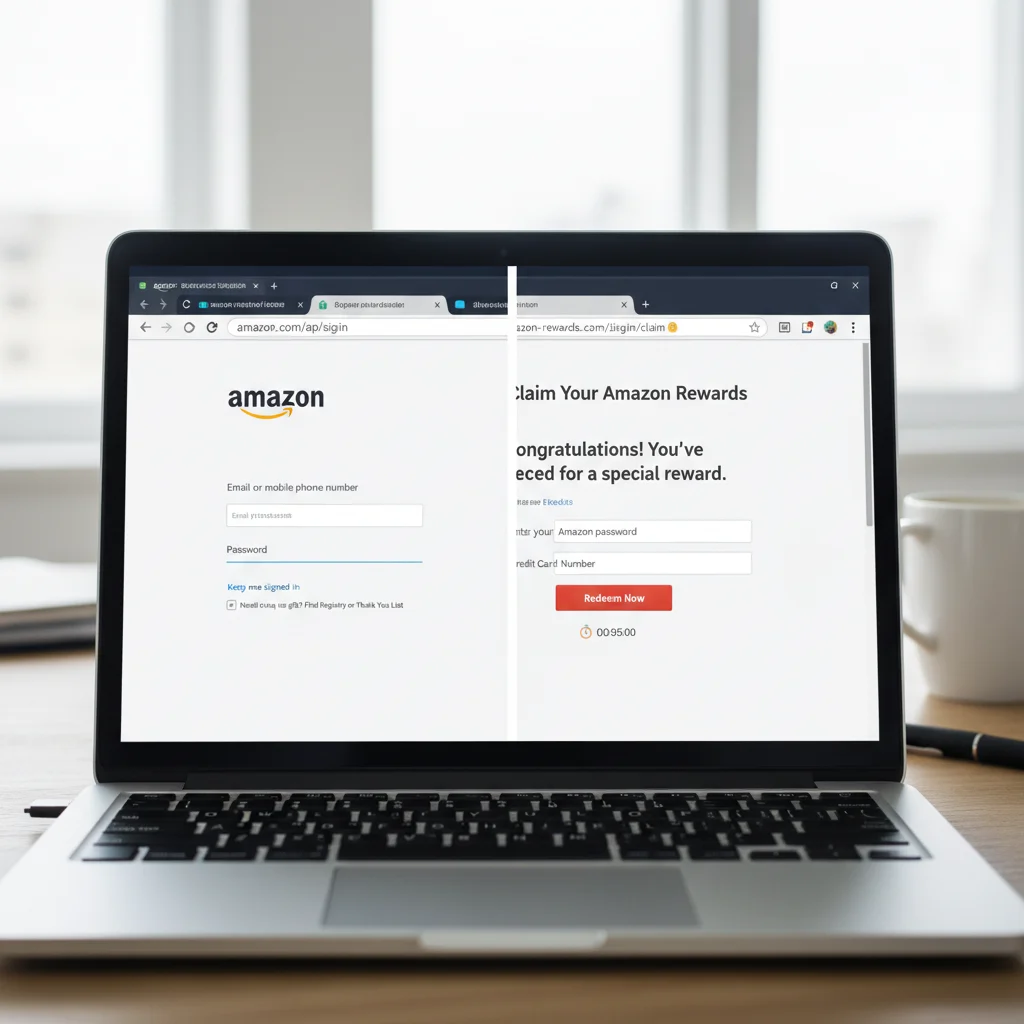
Once a user clicks the link, the trap is sprung. Instead of going to Amazon’s official website, they are redirected to a convincing clone page. The site prompts them to fill out a short feedback survey. To “claim” the $500 gift card, users are then asked to input sensitive personal information. This includes their full name, home address, email, and phone number.
In some variations of the scam, the site requests a small processing fee of $1 or $2 to verify the user’s identity. This is where the financial damage happens. Once victims type in their credit card details, the scammers capture the information. Within hours, victims report unauthorized charges racking up on their accounts. The promised $500 gift card, of course, never arrives.
“Scammers rely on a psychological trigger called artificial scarcity,” Vance explains. “The video claims there are only a limited number of gift cards available, which forces people to act before they have time to think critically or research the claim.” This sense of urgency is a classic hallmark of social engineering.
How to Protect Yourself This Holiday Season
Amazon has repeatedly warned that it will never ask for personal information or payment details in exchange for promotional gift cards on social media. Experts advise TikTok users to keep a few basic rules in mind to avoid falling victim:
- Always check the account posting the video. Official brand accounts have verified badges.
- Look closely at the URL. Spoofed sites often use slight misspellings like “amzn-giftrewards” instead of “amazon.com.”
- Remember the golden rule of the internet: if an offer sounds too good to be true, it almost certainly is.
As the holiday season ramps up, cybersecurity watchdogs expect to see more of these deepfake campaigns targeting major retail brands. TikTok has stated it is actively working to remove the offending videos, but new accounts keep uploading them faster than moderators can take them down. For now, the best line of defense is a healthy dose of skepticism.
About the Author




