
A quiet afternoon. A cup of tea. A few rounds of virtual bingo. For millions of older adults, the mobile game Bingo Blitz is a beloved daily ritual. But cybersecurity experts are now raising the alarm over a sophisticated new wave of phishing scams designed to exploit this very pastime just as the holiday shopping season kicks off.
Fraudsters are actively targeting seniors with fake offers of “free credits” and “exclusive holiday bonuses.” What looks like a generous promotion is actually a trap designed to hijack accounts, steal personal information, and drain bank accounts.
How the ‘Free Credit’ Trap Springs
Bingo Blitz relies on virtual credits to let players keep active in its digital bingo halls. While players can earn these naturally or buy them, the temptation of freebies is strong. Scammers know this.
The scam usually starts on social media. Fraudulent Facebook pages, sponsored posts, and even compromised direct messages from friends carry links promising thousands of free credits. Clicking these links does not lead to a reward. Instead, it redirects victims to highly convincing, counterfeit websites that mimic the official Playtika or Bingo Blitz login portals.
“They copy the graphics, the fonts, and even the loading animations perfectly,” says Jonathan Vance, a senior threat analyst at cybersecurity firm CyberShield Network. “To an untrained eye, it looks completely legitimate. But once you enter your Facebook password or credit card details to ‘verify’ your identity, the scammers have everything they need.”
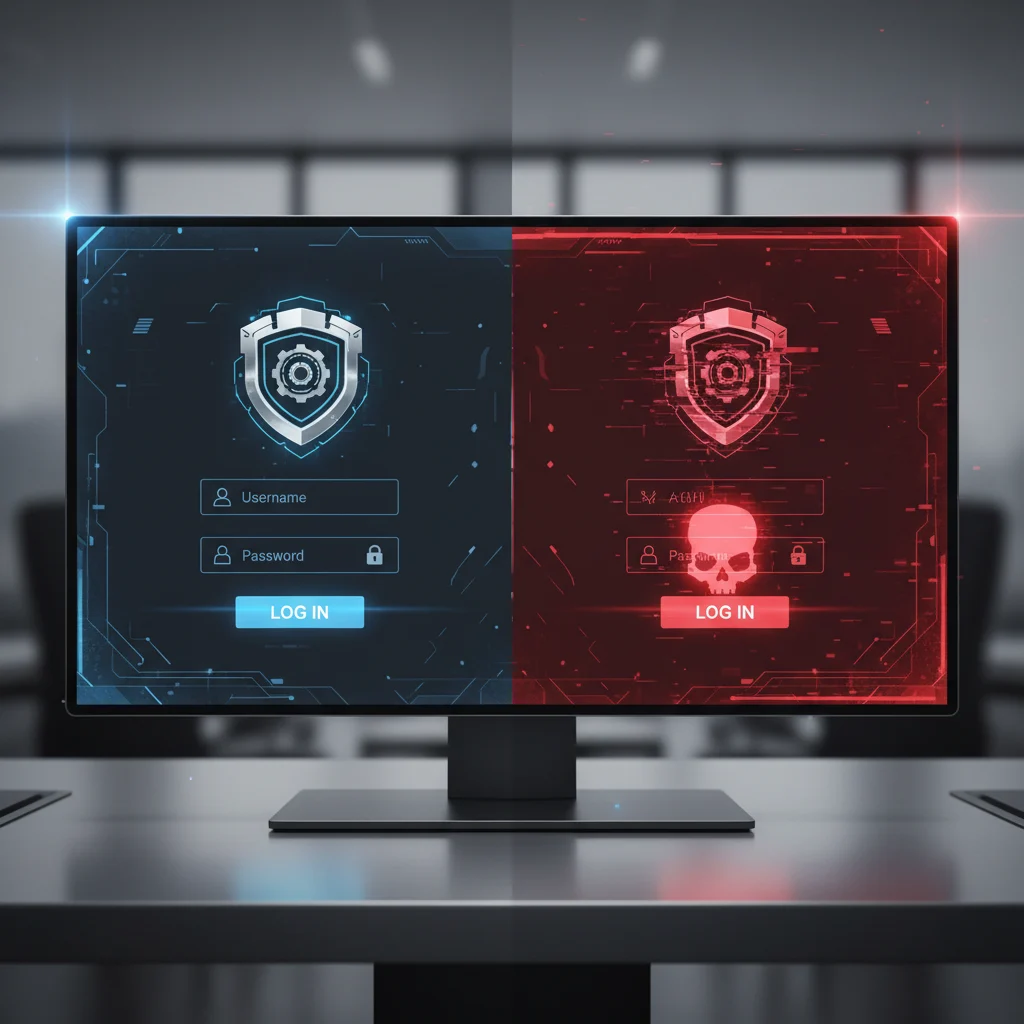
Once the hackers gain access to a victim’s Facebook account—which is how most users log into the game—they do not just steal the virtual coins. They lock the owner out, message their friends list to spread the scam further, and search for saved credit cards linked to the App Store or Google Play.
Why Seniors Are the Primary Target
The timing of this campaign is no accident. The weeks leading up to the winter holidays see a massive spike in online activity. Seniors, some of whom may feel isolated during the colder months, often spend more time on tablets and smartphones connecting with others through social games.
They are also a highly lucrative target. Older adults often have more savings, good credit scores, and, in some cases, less familiarity with the subtle red flags of modern web spoofing. Scammers use urgent language—claims like “Offer expires in 10 minutes!” or “Only 50 packages left!”—to trigger panic and bypass critical thinking.
“These criminals prey on the fear of missing out,” Vance explains. “They create a sense of artificial urgency that makes people act first and think later.”
Protecting Yourself and Loved Ones
Staying safe does not mean giving up the game. It just requires a healthy dose of skepticism. Security experts recommend a few simple rules to keep the holiday season safe and secure.
- Never click on promotional links from unofficial sources. Playtika only distributes official gifts through verified social media accounts with a blue checkmark, or directly inside the game app itself.
- Enable two-factor authentication (2FA) on your Facebook and email accounts. This simple step acts as a digital deadbolt, keeping hackers out even if they swipe your password.
- Have open conversations about digital safety before the holidays. Checking in on older relatives and ensuring their device software is fully updated can prevent a festive season from being ruined.
Bingo should be about fun, community, and friendly competition. By staying alert, players can make sure the only thing they lose this winter is a virtual card game—not their hard-earned savings.
About the Author




