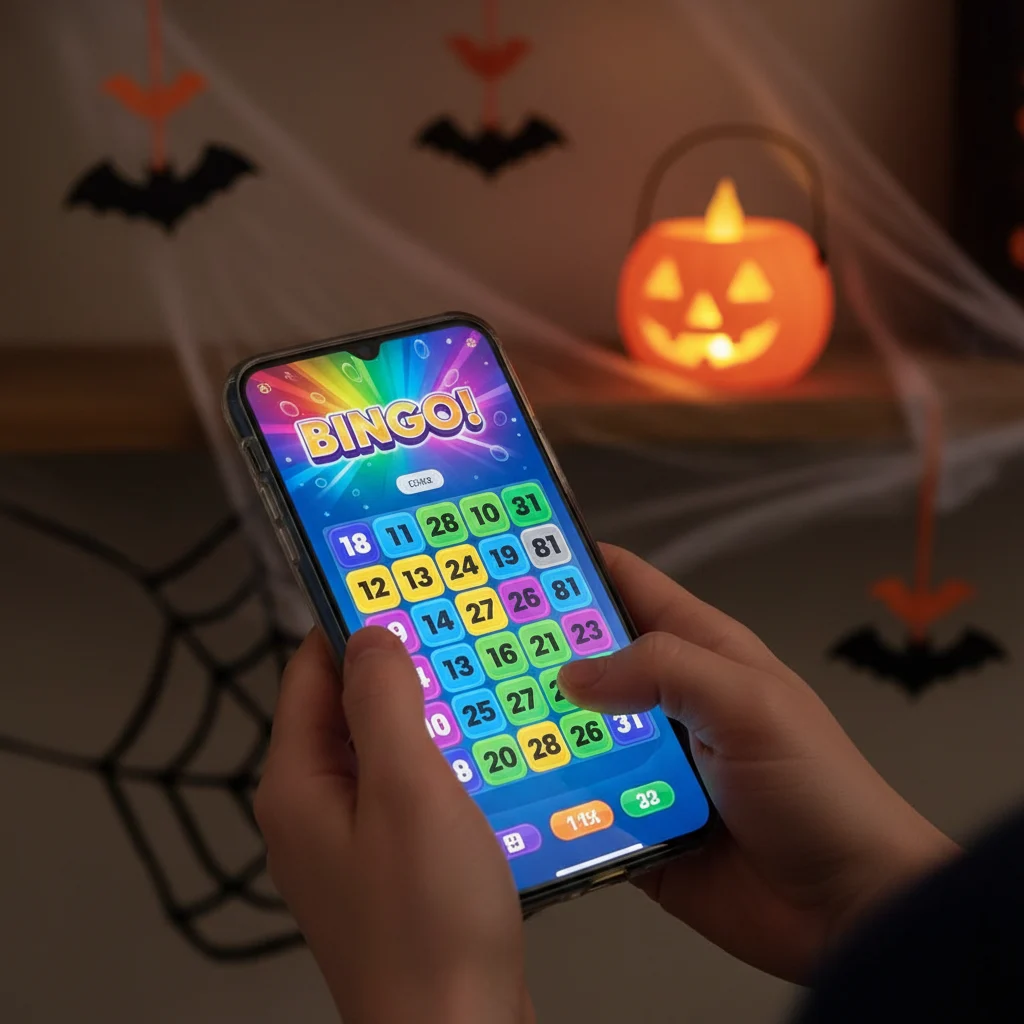
If you are gearing up for the spooky season in Bingo Blitz, you might want to keep your guard up. Cybercriminals are currently targeting players of the popular mobile game with highly convincing “free credit generator” scams. Security experts warn that these fraudulent websites are spiking just as the game launches its highly anticipated Halloween events.
Bingo Blitz, developed by Playtika, boasts millions of active users worldwide. During seasonal events, players eagerly hunt for credits to participate in limited-time tournaments and unlock virtual rewards. That is where scammers see their opening.
Researchers at cybersecurity firm ThreatBlock recently flagged a massive surge in malicious domains masquerading as official Playtika tools. These sites promise thousands of free credits with just a few clicks. But there is a catch: they do not exist.
“We are seeing a coordinated effort to exploit the seasonal excitement,” says Marcus Vance, a senior threat analyst who has been tracking the campaign. “Scammers know players want to maximize their playtime during the Halloween rush without spending real money. They are weaponizing that desire.”
How the Trap Is Sprung
The scam usually begins on social media platforms like TikTok, YouTube, and Facebook. Fraudsters post short videos showing edited gameplay where a player’s credit balance miraculously jumps from zero to millions. The video captions direct viewers to a link, often disguised with URL shorteners, promising “instant, unlimited credits.”
Once a player clicks the link, they land on a polished, professional-looking website. The page often features Bingo Blitz branding, fake user reviews, and a live chat widget showing bot accounts claiming they just received their freebies.
The site then asks the user to input their game username and choose their operating system, whether iOS or Android. After a convincing loading animation that pretends to “connect to the game servers,” the site reveals the trap: a “human verification” step.

To prove they are not a bot, the player is forced to complete tasks. These might include filling out surveys, signing up for expensive subscription services, or downloading third-party mobile apps.
“The so-called verification is where the real damage happens,” Vance explains. “In some cases, the downloaded apps contain adware or spyware. In other instances, players unknowingly sign up for premium SMS billing services that quietly charge their phone bills every month.”
The High Cost of ‘Free’ Credits
Playtika has repeatedly warned its community that there are no legitimate third-party credit generators. Game credits can only be earned through official gameplay, daily bonuses, or purchased directly through authorized app stores.
Despite these warnings, the promise of free resources remains a powerful lure. The consequences of falling for these scams go beyond losing a game account. Players have reported identity theft, unauthorized credit card charges, and device infections that require a complete factory reset to fix.
Bingo Blitz has a remarkably diverse audience, including many older adults and casual gamers who might not be familiar with modern phishing tactics. This makes them prime targets for social engineering. The financial impact of these scams is rising. The Federal Trade Commission recently reported a steady increase in losses related to social media-driven gaming fraud, with victims losing hundreds of dollars on average to hidden subscriptions.
How to Protect Your Account
If you want to keep your account and your wallet safe this Halloween, security experts recommend following a few simple rules:
- Never share your login credentials, passwords, or recovery codes with anyone.
- Avoid websites that ask you to perform “human verification” to receive in-game rewards.
- Treat any offer that seems too good to be true with heavy skepticism.
- Stick to official Bingo Blitz social media channels for legitimate giveaways and promo codes.
Ultimately, the safest way to enjoy the spooky season in Bingo Blitz is the old-fashioned way: by playing the game. No shortcut is worth losing your personal data.
About the Author




