
RAMALLAH — Palestinians will have to wait at least another three years before casting ballots for their leaders. In a quiet decree that drew immediate criticism across the political spectrum, Palestinian Authority President Mahmoud Abbas officially postponed national elections, pushing the timeline back to late 2027.
The move dashes hopes for near-term democratic renewal in the occupied West Bank. It also directly ignores months of diplomatic lobbying from the United States and European allies, who have repeatedly called for a overhauled Palestinian Authority capable of governing post-war Gaza.
Two Decades Without a Vote
Palestinians haven’t voted in a presidential election since January 2005, when Abbas won a four-year term following the death of Yasser Arafat. The last parliamentary ballot took place a year later, in 2006. That legislative contest ended in an unexpected victory for Hamas, triggering an armed confrontation between rival factions and ultimately splitting Palestinian governance between Fatah in the West Bank and Hamas in the Gaza Strip.
Today, Abbas is in the twentieth year of what was intended to be a four-year presidency. He is now 89 years old.
For the vast majority of young Palestinians, the voting booth is completely foreign territory. More than half the population in the West Bank and Gaza is under thirty years old. None of them have ever had the chance to participate in a national vote. Civic engagement has instead been channeled through university student unions and professional syndicates, where local elections often serve as rare proxies for broader public sentiment.
The Friction With Western Allies
The timing of the decree creates fresh friction between Ramallah and its foreign benefactors. Diplomats in Washington, Brussels, and Arab capitals have spent the past year arguing that a legitimate, reformed Palestinian leadership is vital to any long-term peace settlement.
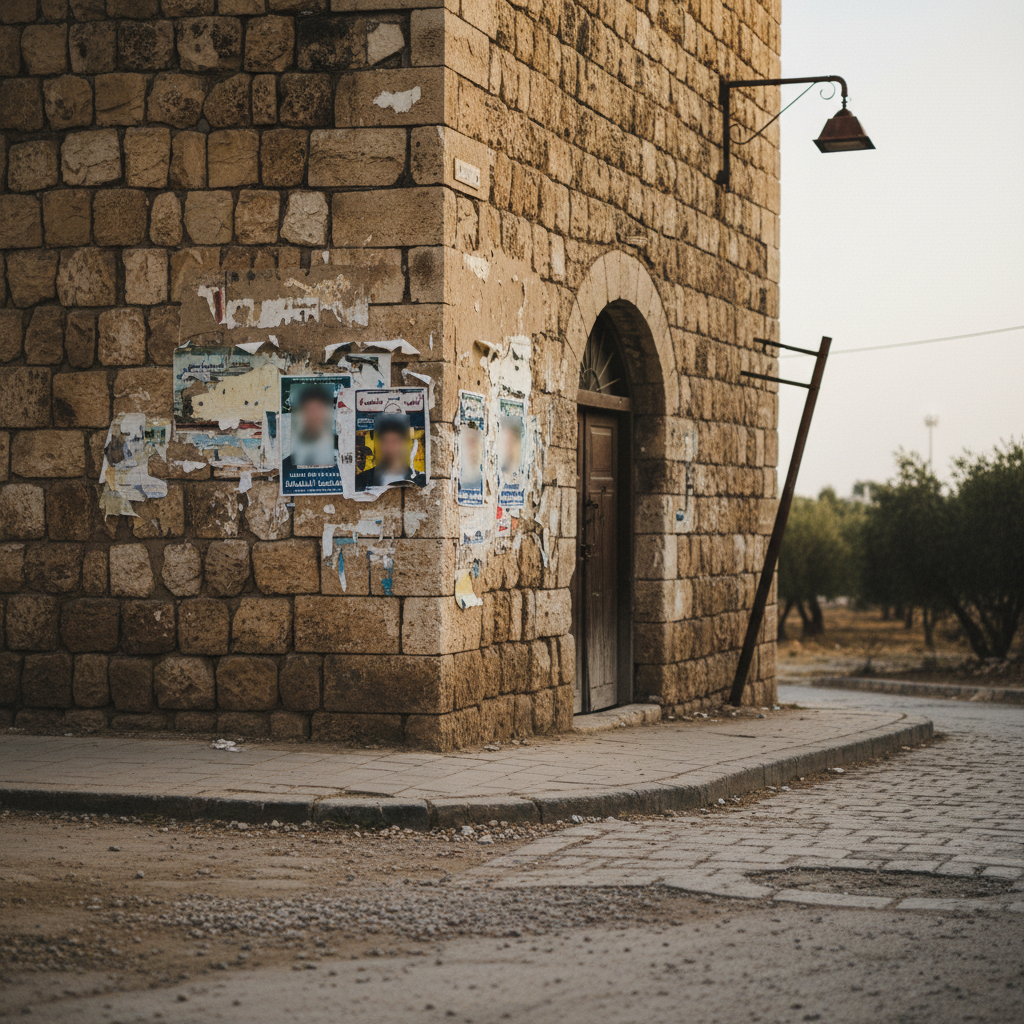
American officials have repeatedly floated the concept of a “revitalized” administration that could step into the administrative vacuum in Gaza once current hostilities wind down. Central to that vision was a clear path toward fair elections, transparency reforms, and the appointment of technocrats to key ministries.
Abbas has accepted some technocratic changes, including the appointment of a new prime minister earlier this year. But direct democracy remains off the table.
- International donors see elections as the only path to political legitimacy in Gaza and the West Bank.
- The PA leadership argues that holding a vote is technically impossible while Israeli military operations continue.
- Opposition groups claim Abbas simply fears losing power to Hamas or splinter factions of his own Fatah party.
Official Explanations and Domestic Anger
Officials close to Abbas maintain that the decision is purely practical, not political. The Palestinian presidency has long insisted that no general election can take place without the full inclusion of East Jerusalem, where Israel severely restricts PA activities.
Israeli authorities routinely ban Palestinian Authority events inside the city, citing sovereignty laws. Ramallah points to this ban as an insurmountable legal and national hurdle. When Abbas called — and then abruptly canceled — a planned parliamentary vote in 2021, he cited the same Jerusalem issue.
Opponents dismiss that reasoning as a convenient cover. Independent Palestinian legal groups argue that alternative voting arrangements could be organized, including digital voting or international polling sites. Instead, they say, the leadership is protecting its own survival.
Public opinion polls conducted by the Palestinian Center for Policy and Survey Research have consistently shown that more than 60 percent of respondents favor Abbas’s resignation. Many fear that postponing the ballot until late 2027 guarantees that power will eventually change hands through closed-door succession battles rather than the ballot box.
With the decree now signed, Palestinian politics will remain on its familiar track: governed by presidential edicts, shadowed by internal factional rivalry, and operating without a popular mandate.
About the Author






