
More than 90 million federal tax returns have already landed in IRS processing centers this year. Still, millions of Americans put off the paperwork until the final hours. Tax season always brings a wave of procrastination, but waiting until the eleventh hour carries real risks, especially if your financial picture changed over the past year.
If you have not sat down with your W-2s, 1099s, or receipts yet, take a breath. Rushing leads to simple math mistakes, missed deductions, and misspelled names that can stall your return for weeks. Here is what you need to keep in mind before you submit your return or ask for more time.
An Extension Buys Time to File, Not Time to Pay
One common myth trips up thousands of taxpayers every spring: believing that a tax extension delays your bill. It does not.
Filing Form 4868 gives you a six-month reprieve to submit your completed paperwork, pushing your deadline to mid-October. However, you must still calculate what you roughly owe and send that payment to the IRS by the mid-April cut-off date. If you fail to pay by the deadline, interest and penalties start racking up the very next day.
Getting an extension is simple. You can file the form electronically through the IRS Free File tool or through most commercial tax preparation software. Even making an electronic payment on the IRS Direct Pay portal and designating it as an extension payment automatically registers your extension without needing to submit a separate form.
Penalties: Filing Late Hurts Worse Than Paying Late
If you realize you simply do not have the cash to cover your tax bill, do not let that stop you from filing. Ghosting the IRS is the most expensive decision you can make.
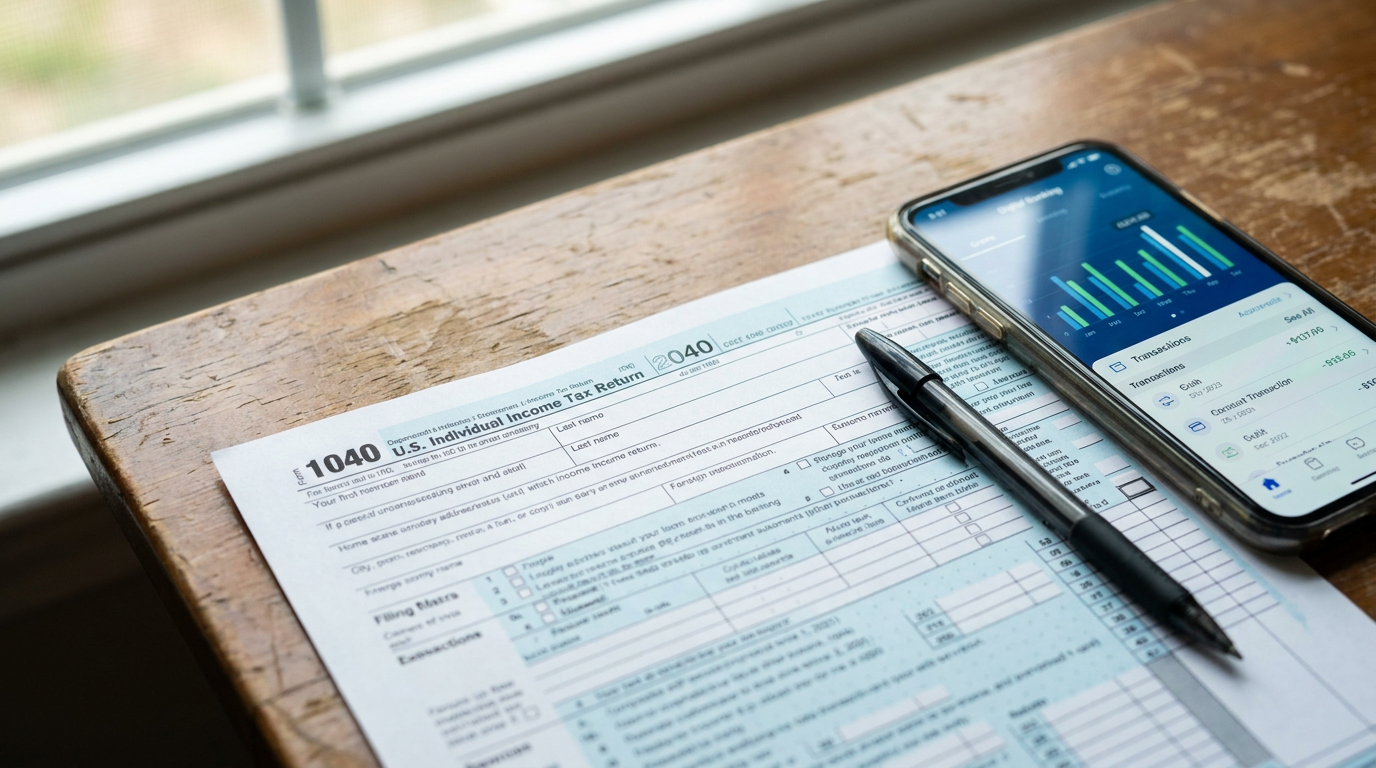
The IRS charges two main penalties for latecomers: the failure-to-file penalty and the failure-to-pay penalty. The charge for not filing your return on time runs at 5% of the unpaid balance per month. The penalty for filing your return but not paying the full balance is much lighter, at just 0.5% per month.
In short, the penalty for skipping the filing deadline is ten times steeper than the charge for paying late. Submit the return on time, even if you can only afford to send a nominal token payment along with it.
Why Refunds May Feel Underwhelming
Many early filers noticed something disappointing when their direct deposits arrived: smaller numbers. The drop is not a system glitch. Key pandemic-era relief measures expired, shifting many common tax credits back to their pre-2020 levels.
- Child Tax Credit: The credit dropped from its emergency high of up to $3,600 per child down to a maximum of $2,000.
- Earned Income Tax Credit: Relief expansions for workers without qualifying children dropped sharply, cutting maximum payouts for eligible individuals back to roughly $500.
- Charitable deductions: The temporary provision that allowed taxpayers taking the standard deduction to write off up to $300 or $600 in cash donations has ended. If you do not itemize, you can no longer deduct those gifts.
Without those temporary federal cushions, many households saw their refund checks shrink or found themselves unexpectedly owing taxes instead.
Payment Plans and Free Help
Finding out you owe money to the government is stressful, but the IRS offers several relief options for people who cannot settle their bill right away. The agency provides short-term payment plans of up to 180 days, as well as installment agreements that spread out payments over several years. Setting up an installment plan online takes only a few minutes and carries lower setup fees than applying over the phone.
Do not pay for filing software if your income qualifies you for zero-cost options. Taxpayers who earned $73,000 or less can use IRS Free File, which gives you access to guided tax-prep brand software at no charge. The Department of Defense also provides MilTax, a free tax filing suite for active-duty military members and certain veterans.
File electronically whenever possible. Paper returns take significantly longer to process, and opting for direct deposit remains the fastest, most reliable way to receive any money owed back to you.
About the Author






