
A Shared Table for Global Climate Talks
Australia and its Pacific neighbors have officially signed off on a joint leadership framework to govern their bid for the COP31 United Nations climate summit. The agreement caps months of tough behind-the-scenes bargaining over who actually holds the gavel.
For years, Pacific governments have pushed for more than symbolic roles at international summits. Under the newly finalized model, island nations will secure equal decision-making authority on the summit steering committee, alongside direct oversight of core agenda items like loss and damage funding, sea-level rise, and ocean preservation.
Australian Climate Change and Energy Minister Chris Bowen finalized the framework following bilateral talks with regional counterparts. Canberra pitched the joint bid as an opportunity to put Pacific survival at the center of global climate diplomacy. But Pacific leaders made clear from the start that they would not sign on as junior partners.
Balancing Regional Realities and Domestic Politics
The partnership brings obvious diplomatic weight. Yet it also puts Australia’s domestic energy policy under an intense spotlight.
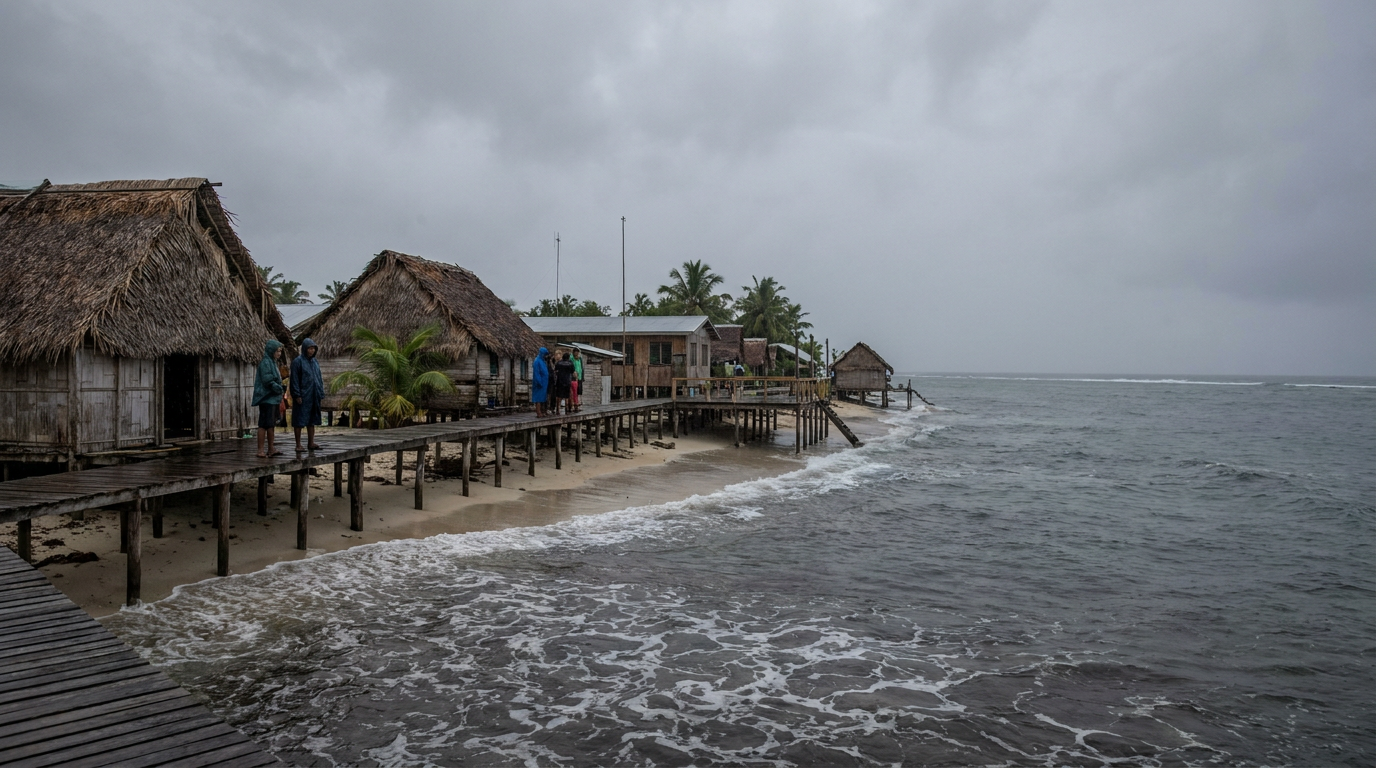
Australia remains one of the world’s top exporters of coal and liquefied natural gas. That reality sits awkwardly beside the lived experience of low-lying atoll nations like Tuvalu and Kiribati, where king tides routinely wash through villages. Pacific negotiators have used the bid negotiations to press Canberra for sharper curbs on fossil fuel expansion.
Officials familiar with the talks say the governance text includes distinct provisions ensuring Pacific delegates can advocate for stringent emission targets independently, even if those positions outpace Canberra’s official stance.
Key elements agreed under the framework include:
- A dual-chair structure for high-level ministerial working groups.
- Dedicated Pacific-led tracks on climate mobility and sovereignty threatened by rising seas.
- Guaranteed funding allocations for civil society and Indigenous delegations across Oceania.
- A shared secretariat split between Australia and a designated Pacific hub.
The deal reflects a delicate compromise. While Australia will handle the heavy logistical and financial lifting required to stage a conference with roughly 30,000 attendees, the political narrative will be heavily steered by the Pacific.
The Race Against Turkey
Securing the internal agreement was step one. Actually winning the right to host COP31 in 2026 is step two.
Under the UN regional rotation system, the 2026 summit belongs to the Western European and Others Group (WEOG). Australia and the Pacific face a stubborn challenge from Turkey, which is mounting its own campaign to host the event in Istanbul. WEOG operates by consensus, meaning both candidates must either negotiate a compromise or convince one party to step aside.
Turkey’s bid highlights its geographic crossroads status and lower travel barriers for delegates from developing countries. Australia counters that an Oceania-hosted COP offers something the summit process sorely needs: moral clarity delivered directly from communities facing immediate climate risks.
Informal talks on the sidelines of recent UN preparatory sessions have yet to break the deadlock between Canberra and Ankara. Diplomats from both camps expect discussions to drag toward the wire at upcoming international gatherings.
Holding the Line on 1.5 Degrees
For Pacific negotiators, hosting the conference is less about international prestige and more about survival. The 1.5-degree Celsius warming target remains the region’s core rallying cry.
Pacific diplomats emphasize that a successful COP31 must lock in substantial capital injections for the Loss and Damage Fund established at COP27. Many smaller island economies struggle to access global climate finance due to cumbersome bureaucratic hurdles, even as rebuilding costs from recurring cyclones consume double-digit shares of their GDP.
With the joint governance pact now sealed, Australian and Pacific representatives plan to present a unified front at upcoming international ministerial meetings. They hope the formal demonstration of solidarity will convince wavering European nations to back their bid over Turkey.
The test now shifts from diplomatic drafting rooms to the global stage. If the bid succeeds, it will bring world leaders directly into a region where the consequences of their domestic energy choices are impossible to ignore.
About the Author






