
The NHS is already feeling the chill of winter. Even before the cold weather truly sets in, England’s healthcare system is showing worrying signs of strain. Waiting lists for routine hospital care have climbed for the second month in a row, sparking fears that the coming months will be incredibly difficult for hospitals and patients alike.
By the end of August, the backlog for routine hospital treatments climbed to an estimated 7.37 million. This massive list represents about 6.24 million individual patients waiting for care. What makes these figures particularly sobering is that they come right after a summer of intense effort. Frontline teams actually delivered a record 4.7 million planned procedures and appointments across June, July, and August. Yet, despite this high output, the sheer volume of new referrals has kept the waiting lists growing.
Early Winter Pressures
The transition from summer to autumn has been almost seamless, leaving staff no breathing room. September was the busiest on record for both ambulance services and emergency departments. More patients, including young children, are already showing up at A&E with flu and other respiratory bugs.
“Staff are already seeing the ominous early signs of pressure,” warned Professor Frankie Swords, NHS England’s national medical director. Swords noted that while staff are working tirelessly, patients are still waiting much longer than anyone would like.
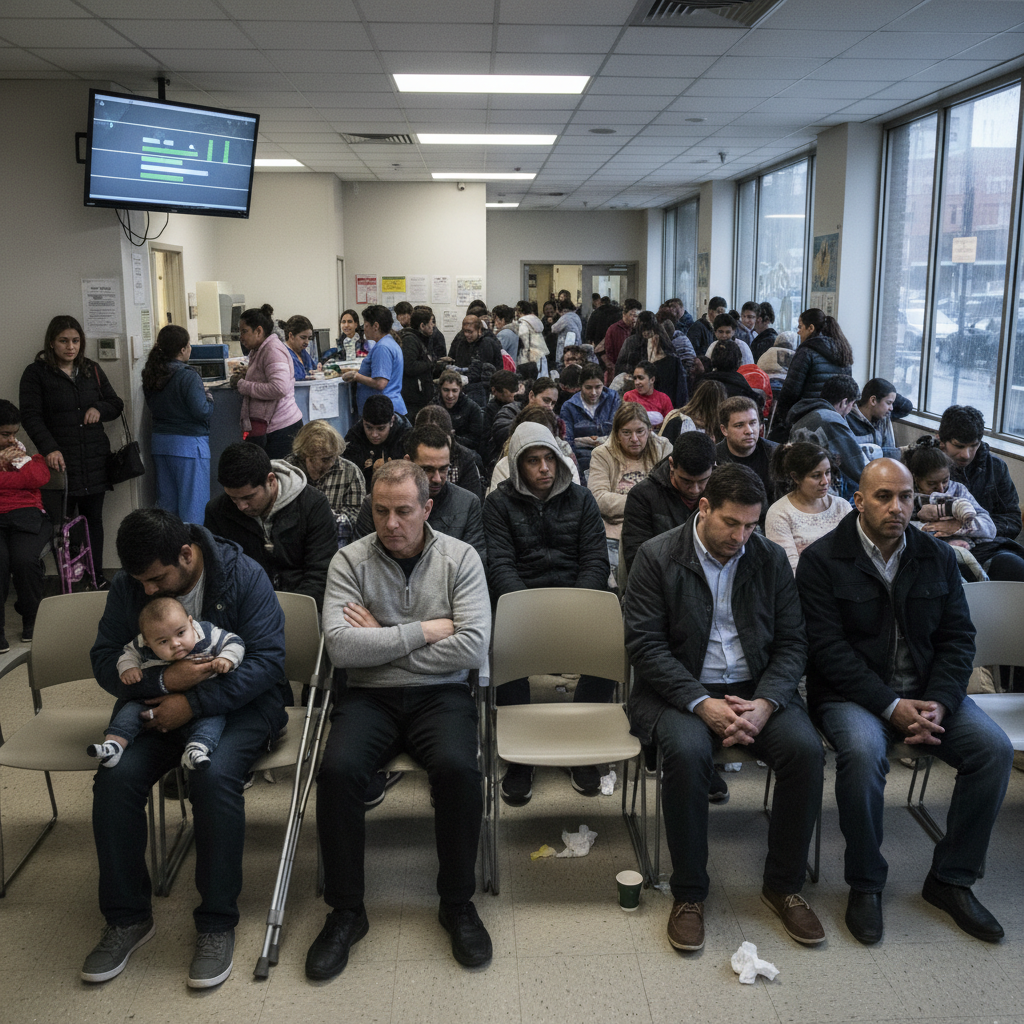
Emergency Departments Under Strain
The situation in emergency rooms is deteriorating. In September, the proportion of patients seen within four hours at A&E slipped to 74.4%, down from 75% in August. Even more alarming is the spike in long delays. Over 50,000 patients waited more than 12 hours in A&E after a doctor decided to admit them—often referred to as “corridor care.” This is up from nearly 45,000 in August.
Dr. Vicky Price, president of the Society for Acute Medicine, said these numbers should “set alarm bells ringing.” She pointed out that this means more than 1,600 vulnerable people every single day are stuck waiting for a hospital bed in overcrowded emergency spaces.
The Political Challenge
This rising tide of demand puts the government’s ambitious targets under severe pressure. Ministers want the NHS to treat 92% of patients within 18 weeks by the year 2029. But the NHS Alliance, which represents healthcare trusts, warned that this goal is slipping out of reach.
Think-tank analysis from the Health Foundation backs up this skepticism. Francesca Cavallaro from the foundation noted that despite heroic efforts by staff, the NHS is essentially “having to run faster just to stand still” because of the surge in patient referrals.
For its part, the government insists the 18-week target is still achievable. Officials point to new investments in hospital buildings and diagnostic equipment designed to boost productivity. They also note that the recent resolution of the resident doctors’ strikes should help get services back on track. However, with winter still weeks away, health leaders are left wondering how the system will cope when the deepest cold finally hits.