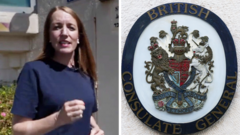
The physical sign is gone, but the doors are not locked. That is the current reality at the British consulate in East Jerusalem, a historic diplomatic post caught in a geopolitical tug-of-war between London and Jerusalem.
Back in September, the Israeli government announced it would shut down the consulate. The move was a direct retaliation. Just days earlier, the UK had imposed sanctions on Israeli settlements in the occupied West Bank—settlements that are considered illegal under international law. Furious with the British decision, Israel gave the UK a strict 30-day deadline to close the East Jerusalem office.
That deadline fell on Thursday. Right up to the final hours, British officials scrambled to convince Israel to reverse its decision. This is not just any office; the consulate has stood since 1838, long predating the modern state of Israel. Eventually, a tense compromise emerged, though both nations are spinning the outcome in very different ways.
Two Sides to the Same Story
According to Israeli officials, the consulate is effectively finished. They state that most of the British diplomats stationed there will be forced to pack up and leave the city. However, London rejects the idea that they are retreating. The UK government insists the building will not close its doors. Instead, it will simply operate under a new title: the “UK Mission.”

While the physical sign has been taken down from the building’s exterior, the work inside continues. Ed Miliband, the UK Foreign Secretary, reportedly views this resolution as a positive development. Yolande Knell, the BBC’s Middle East correspondent, noted that Miliband “sees this as being a good outcome” given how close the site came to a total shutdown.
A Long History in Jerusalem
To understand why this building matters so much, you have to look at its unique role. The East Jerusalem consulate is entirely separate from the main British Embassy, which is located in Tel Aviv and handles official relations with the Israeli government. For decades, the East Jerusalem office has served as Britain’s primary link to the Palestinian population and its diplomatic eyes on the ground in the occupied territories.
Losing this outpost completely would have severely damaged Britain’s diplomatic reach in the Middle East. By rebranding the consulate as a “mission,” the UK managed to keep its foot in the door.
For now, both sides can claim a partial victory. Israel can tell its domestic audience that it punished the UK for its sanctions by stripping the consulate of its official status and forcing staff out. The UK, meanwhile, gets to keep its historic building open. But the long-term impact of this diplomatic downgrade remains to be seen, especially as tensions in the region continue to rise.