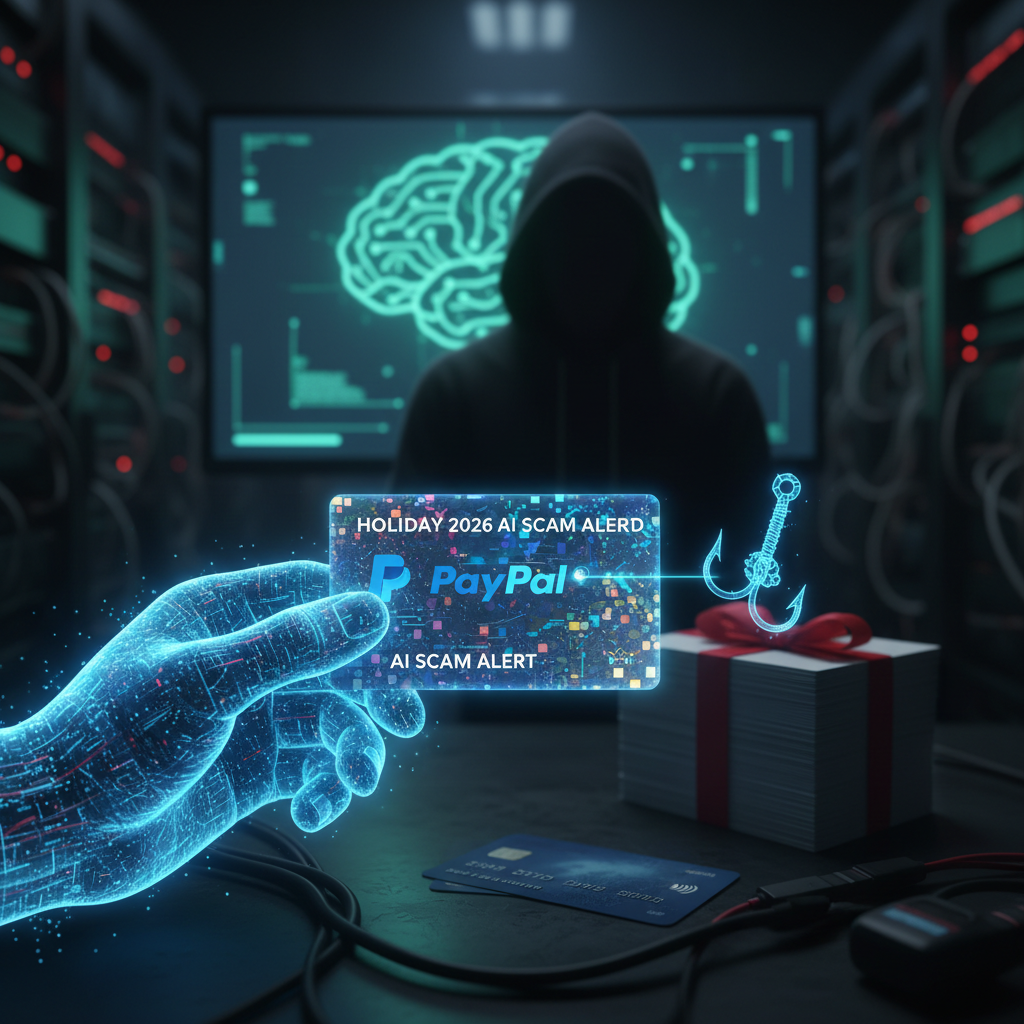
A New Era of Holiday Shopping Threats
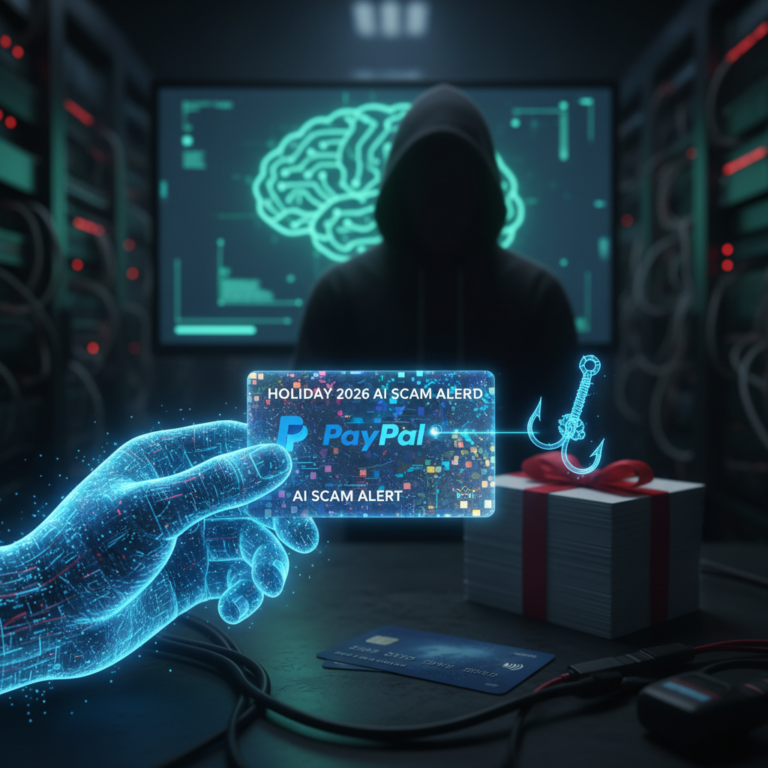
The holiday shopping rush is just around the corner, but cybercriminals have already launched their first major strike. Security researchers are sounding the alarm over a massive, highly sophisticated phishing campaign targeting PayPal users. This time, the bait is digital gift cards, and the engine behind the scam is advanced artificial intelligence.
Over the past few weeks, inboxes have been flooded with incredibly realistic emails that look exactly like official PayPal receipts. They claim you just bought a digital gift card—often for Apple, Google Play, or gaming platforms—worth anywhere from $100 to $500. For most people, the immediate reaction is panic. They want to cancel the charge immediately. And that is exactly what the scammers are banking on.
How the AI Phishing Trap Works
In the past, spotting a phishing email was relatively easy. You looked for broken English, weird formatting, or obvious spelling mistakes. Generative AI has changed the game entirely. Bad actors are now using large language models to write flawless, professional copy that perfectly mimics corporate templates.
Here is how the trap is sprung:
- You receive an email claiming a high-value PayPal digital gift card has been sent to an unfamiliar email address.
- The email includes a prominent, urgent button that says “Not Your Purchase? Cancel Here” or “Dispute Transaction.”
- Clicking the link takes you to a fake login page that looks identical to PayPal’s actual website.
- Once you type in your username and password, the hackers steal your credentials and quickly lock you out of your real account.
In some variations of the scam, victims are even asked to call a customer support number. On the other end of the line is an AI-powered voice bot or a highly trained scammer who walks the victim through buying actual gift cards to “reverse” the fake charge. It is quick, convincing, and highly effective.
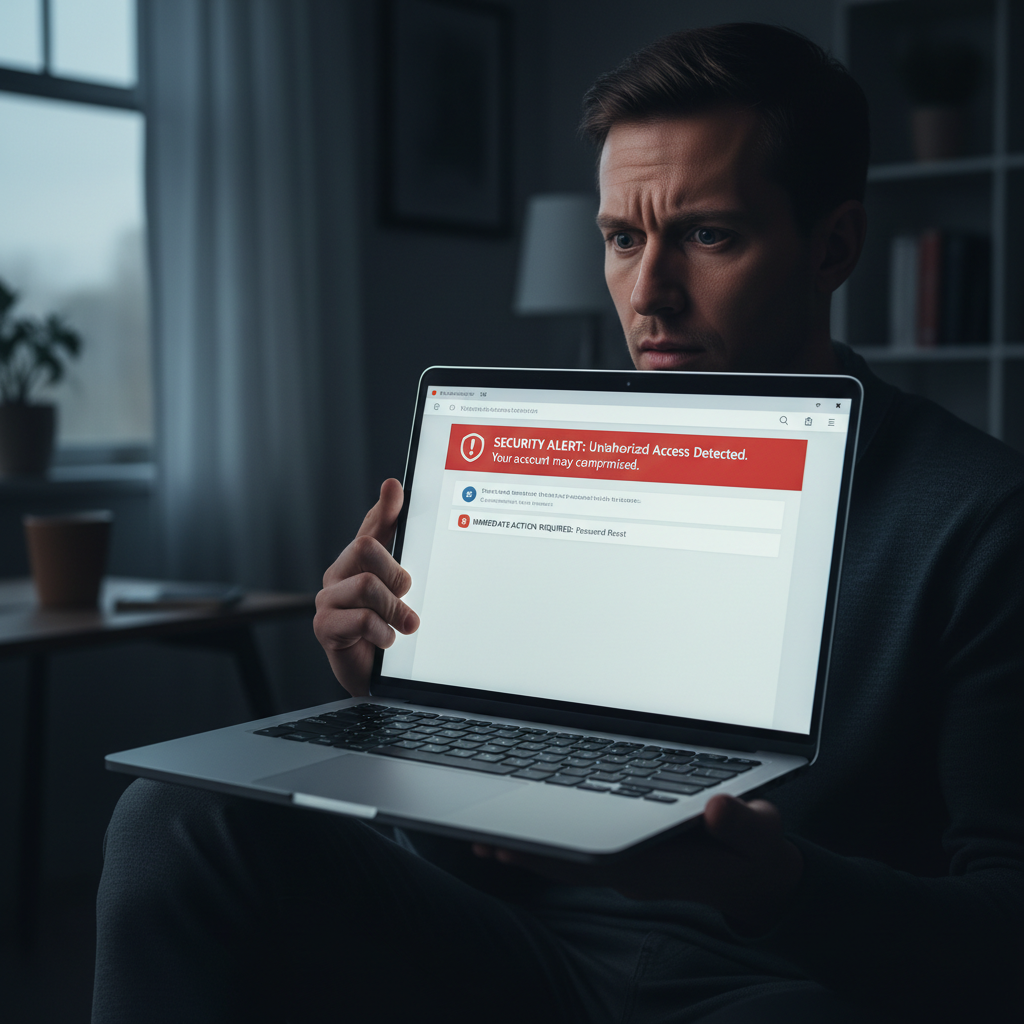
Why Gift Cards are the Ultimate Target
Digital gift cards are a dream come true for online thieves. Unlike credit card transactions, which can be disputed and reversed through a bank, gift cards are essentially cash. Once a scammer gets the code, the money is gone. They can quickly resell the codes on secondary markets or use them to buy high-end electronics that are easily fenced.
According to security firm ThreatLock, phishing attempts involving digital gift cards have surged by 142% compared to this time last year. “The speed and scale of these attacks are unprecedented,” says Sarah Jenkins, lead threat analyst at ThreatLock. “Scammers are using automated AI pipelines to generate millions of personalized emails in seconds. They are specifically targeting the pre-holiday shopping window when people are already making lots of online purchases and might not look as closely at their receipts.”
How to Protect Your Wallet This Season
With the 2026 holiday season shaping up to be a playground for AI-driven fraud, consumers need to shift how they interact with their inboxes. Standard security filters are struggling to keep up with these AI-generated templates, meaning more of them are landing in primary inboxes instead of spam folders.
To keep your money safe, cybersecurity experts recommend a few simple rules:
- Never click direct links: If you get an email about a strange charge, close your email client. Open a new browser window, type in PayPal.com manually, and check your actual account dashboard. If the transaction isn’t there, the email is a fake.
- Check the sender’s actual address: Scammers can mask their display names to say “PayPal Support,” but checking the actual domain behind the name usually reveals a random, unrelated email address.
- Turn on two-factor authentication (2FA): This adds an extra layer of defense. Even if a scammer gets your password, they still cannot access your account without the temporary code sent to your phone or authenticator app.
- Be skeptical of extreme urgency: Phishing relies on fear. If an email demands you act within minutes to save your money, take a deep breath and slow down.
The tech behind these scams is getting smarter, but basic vigilance is still your best defense. Keep your guard up, verify everything independently, and don’t let holiday panic get the better of your common sense.
About the Author