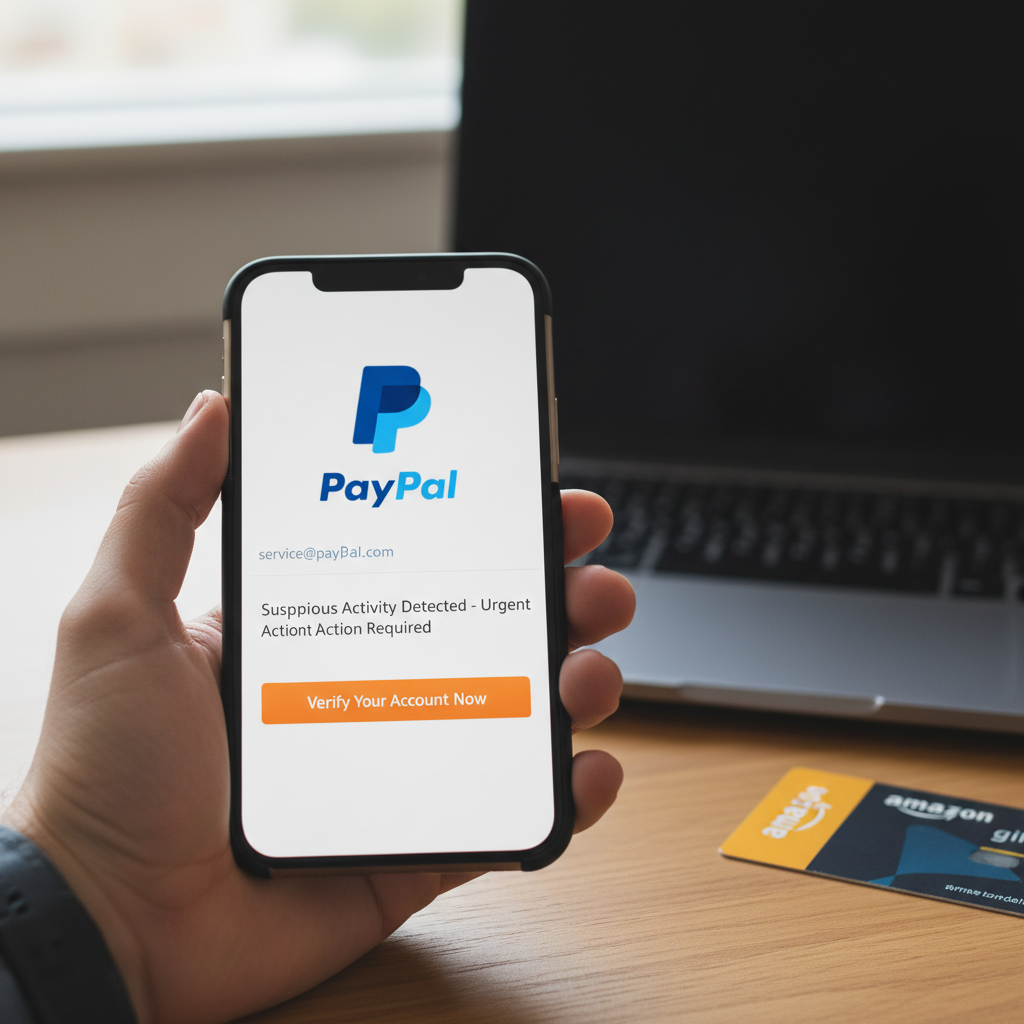
Federal regulators have flagged a fast-spreading scam catching consumers off guard this fall. The Federal Trade Commission (FTC) issued an urgent consumer alert warning about fake PayPal invoices that attempt to trick targets into buying Amazon gift cards. It is a highly deceptive scheme. By leveraging the names of two massive brands, scammers are managing to bypass traditional spam filters and manipulate victims into parting with hundreds, sometimes thousands, of dollars.
According to the FTC, the scam typically begins with an email. It looks exactly like an official notification from PayPal. In some cases, the attackers actually use real PayPal accounts to generate genuine invoices, which means the emails come directly from PayPal's automated system. The message claims that the recipient owes money for an expensive purchase. Often, it's a high-end computer, a premium television, or even gold.
The Urgency Trap
The bill looks scary. It usually features a tight deadline, threatening immediate account suspension or legal action if the balance isn't settled within a few hours. This urgency is intentional. It panics the victim.
“We are seeing a major surge in these reports as we head into the colder months,” says Sarah Preston, a consumer protection specialist who monitors payment fraud. “Scammers love this time of year because online shopping is spiking. They rely on the sheer volume of digital receipts to confuse people.”

Here is where the scam takes a bizarre, yet highly effective turn. When victims call the customer service phone number listed on the fake invoice to dispute the charge, they are connected to a fraudulent call center. The operator on the other end pretends to be a helpful PayPal representative. They claim there has been a system error or a security breach. To fix it, or to secure a refund, they tell the caller they must purchase Amazon gift cards.
Why Gift Cards?
Once the victim buys the gift cards, the scammer asks them to read the numbers on the back. Once those codes are shared, the money disappears instantly. It is nearly impossible to track down. Gift cards are highly liquid. They can be quickly traded or used to purchase high-value goods on the black market. For scammers, gift cards are basically cash. But unlike cash, they can be stolen from across the globe in seconds.
How to Protect Yourself
The FTC highlights several key warning signs that should immediately set off alarm bells:
- First, no legitimate business will ever demand that you pay a bill, settle a dispute, or secure a refund using gift cards from another company. PayPal will never ask you to buy an Amazon gift card to resolve an issue on their platform.
- Second, look at the sender's actual email address, not just the display name. If the email claims to be from PayPal but comes from a Gmail or Yahoo address, it is fake. However, remember that some scammers do use the actual PayPal platform to send money requests, so an official email address is not a guarantee of safety.
What should you do if you receive a suspicious invoice? First, do not panic. Do not call the number. It's a trap. Log into your PayPal account independently by typing the official web address into your browser. Do not use any links in the email. Check your actual dashboard. If the charge isn't listed in your transaction history, the email is a fake.
If you have already fallen victim to this scam and shared gift card numbers, act fast. Contact Amazon customer service immediately. If you are lucky, they might be able to freeze the funds before the scammers spend them. However, you must act within minutes. The FTC also recommends reporting the incident to your local police department, as digital fraud continues to rise heading into the late-year holiday shopping season. Keep your guard up. A little skepticism can save you a lot of money.
About the Author